
The Effects of Prolonged Sitting on Back Health, and Micro-Breaks
Fzt. Aydın Ali · 20 Ağustos 2026 · 2 min read
Fzt. Aydın Ali · 20 Ağustos 2026 · 2 min read
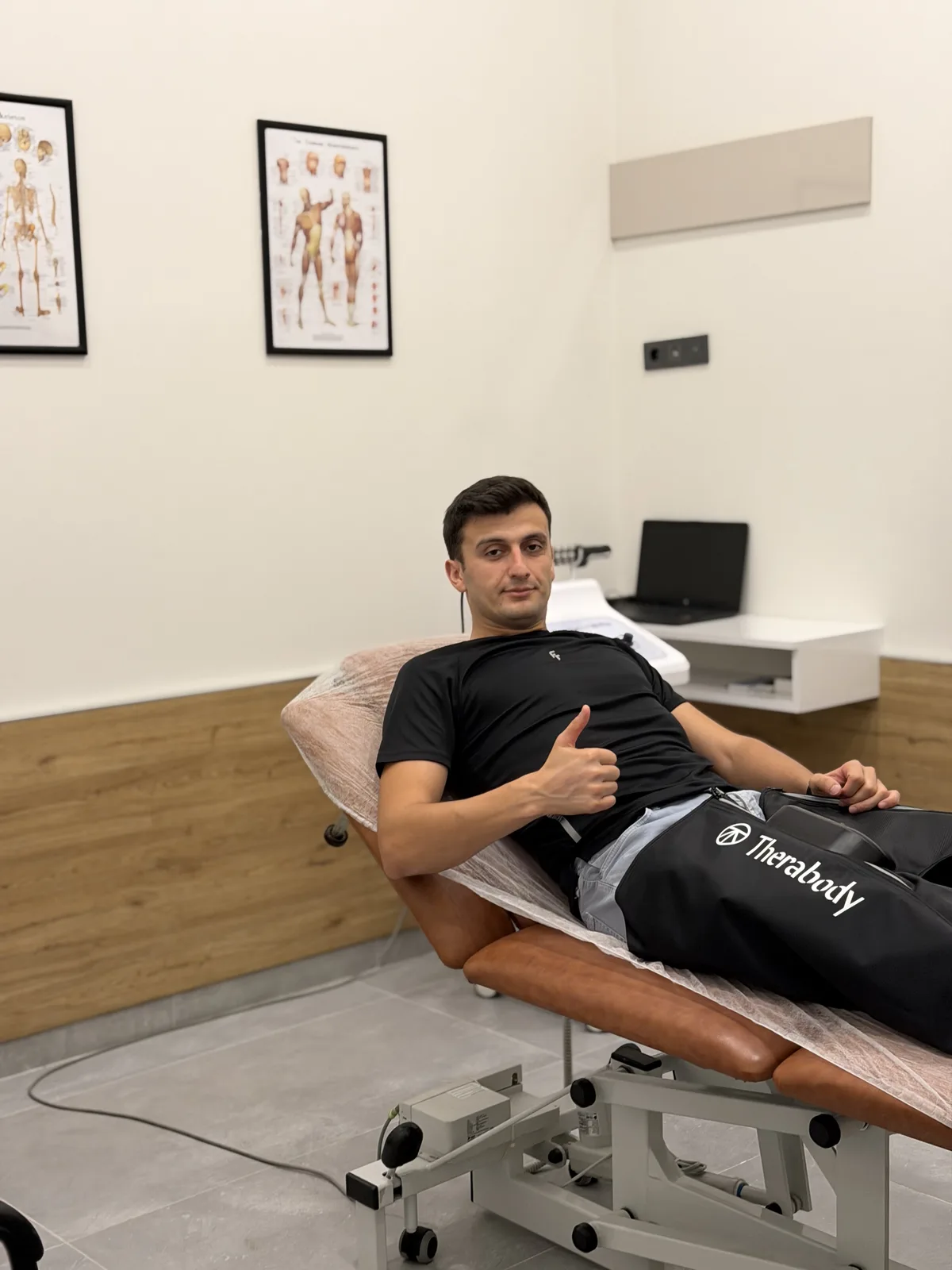
Even perfect posture becomes a problem when it's held for hours. What the lower back needs isn't "perfect posture" — it's posture that changes at regular intervals.
Research on back pain shows that even the "correct" sitting position becomes a problem when held for eight hours without a break. In other words, what really determines back health isn't which position you sit in — it's how long you stay in the same one.
Spinal discs aren't fed by a direct blood supply from surrounding tissue — they're nourished through the pressure changes that movement creates. Sitting still for long periods slows that exchange; disc tissue becomes less pliable over time and its resistance to load drops.
The same muscles stay under low-level contraction for hours just to hold one position. That's a different kind of load from lifting something heavy, but over time it's similarly tiring — because the muscle never rests, micro-level tension builds up.
This principle, common in ergonomics, points out that changing position regularly is more effective than searching for one perfect posture. Leaning on the backrest, working leaning forward, working standing — used at different times, none of them becomes harmful on its own.
Research shows that frequent short movements can be more effective for back health than one long break. Standing up for 60–90 seconds every 30 minutes, taking a few steps, or stretching the trunk backward restarts blood flow and disc nourishment.
"Remembering to stand up" is harder than it sounds on a busy work day. Simple tools like a phone alarm, a calendar reminder or a desktop notification move micro-breaks from willpower to a system — which makes them more sustainable.
Exercise at the end of the day is beneficial, but it doesn't fully compensate for hours of inactivity earlier in the day on its own. Current guidelines recommend interrupting daytime inactivity as a separate goal alongside regular exercise, not instead of it.
Fzt. Aydın Ali assesses how prolonged sitting is affecting your back health in Bursa Nilüfer and builds a practical movement plan you can spread across the day. You can book an appointment.
Spinal Health
An expensive "ergonomic" chair on its own changes little. The real difference comes from how the desk, chair and screen are set relative to each other.
20 Ağustos 2026 · 2 min read

Pain and Quality of Life
Doing too much on a good day and nothing on a bad one is the most common mistake in fibromyalgia. Pacing replaces that boom-and-bust pattern with a measured, pre-set tempo.
20 Ağustos 2026 · 2 min read
Pain and Quality of Life
In fibromyalgia, poor sleep isn't only a result of pain — it also feeds the pain. The two feed each other in a loop.
20 Ağustos 2026 · 2 min read