Piriformis Syndrome or a Herniated Disc?
Fzt. Aydın Ali · 21 Temmuz 2026 · 2 dk okuma
Fzt. Aydın Ali · 21 Temmuz 2026 · 2 dk okuma
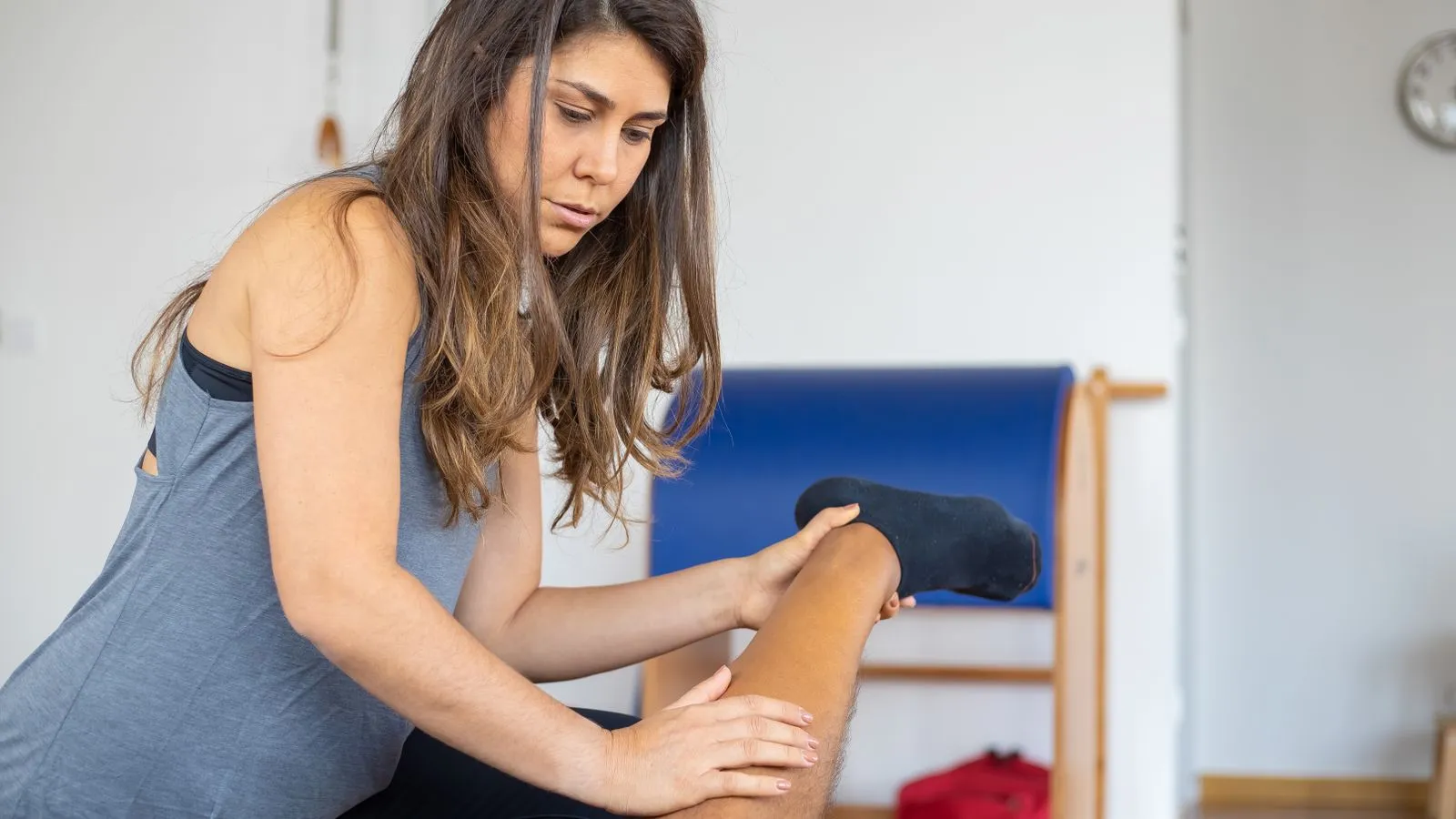
Both send pain down the leg, but they come from different places. The wrong diagnosis means months of the wrong exercises.
A large share of people who come in with pain travelling from the buttock into the leg open with "I have a herniated disc". Yet the same pattern can come from piriformis syndrome, and the treatment for the two differs.
The piriformis is a small but important muscle deep in the buttock. The sciatic nerve passes just beneath it — in some people straight through it. When the muscle tightens or spasms it can compress the nerve.
Where the pain starts. With a disc, pain usually begins in the back and travels down. With the piriformis, the back may be pain-free and the pain starts deep in the buttock.
Sitting. Piriformis pain clearly increases on a hard seat. People often sit leaning onto one buttock.
Coughing and straining. Increases disc pain; usually makes no difference with the piriformis.
Bending forward. Usually increases disc pain; often unchanged with the piriformis.
Pattern of numbness. With a disc it follows a specific nerve root's territory and travels to the foot. With the piriformis it is more diffuse and vaguer.
These point the way but are not enough on their own. Assessment interprets hip internal rotation tests, straight leg raise, reflexes and strength together. The two can also exist in the same person at once.
Because the programmes differ. A disc calls for an approach that limits forward bending and builds trunk stabilisation. The piriformis calls for releasing the deep hip muscles, regaining hip range of motion and strengthening the hip abductors.
A programme built on the wrong diagnosis turns into months of work that looks right but does not settle the pain.
It depends on how long the complaint has lasted and on hip strength. Recent cases usually progress quickly; in complaints of many months the strength component has to be completed.
Fzt. Aydın Ali makes the distinction first and only then builds the programme.
Omurga Sağlığı
Not every back pain is a disc herniation, and not every herniation needs surgery. How to tell the symptoms apart and when to seek help.
11 Ağustos 2026 · 2 min read

Omurga Sağlığı
Every 2.5 cm your head moves forward roughly doubles the load your neck muscles carry. The real cause of neck pain in office workers — and what helps.
8 Ağustos 2026 · 2 min read
Ağrı ve Yaşam Kalitesi
This is the question we are asked most. The short answer: at the right dose it reduces pain rather than increasing it. The long answer lies in how that dose is set.
5 Ağustos 2026 · 2 min read