Scoliosis in Adolescents: When Is Monitoring Needed?
Fzt. Aydın Ali · 12 Haziran 2026 · 2 dk okuma
Fzt. Aydın Ali · 12 Haziran 2026 · 2 dk okuma
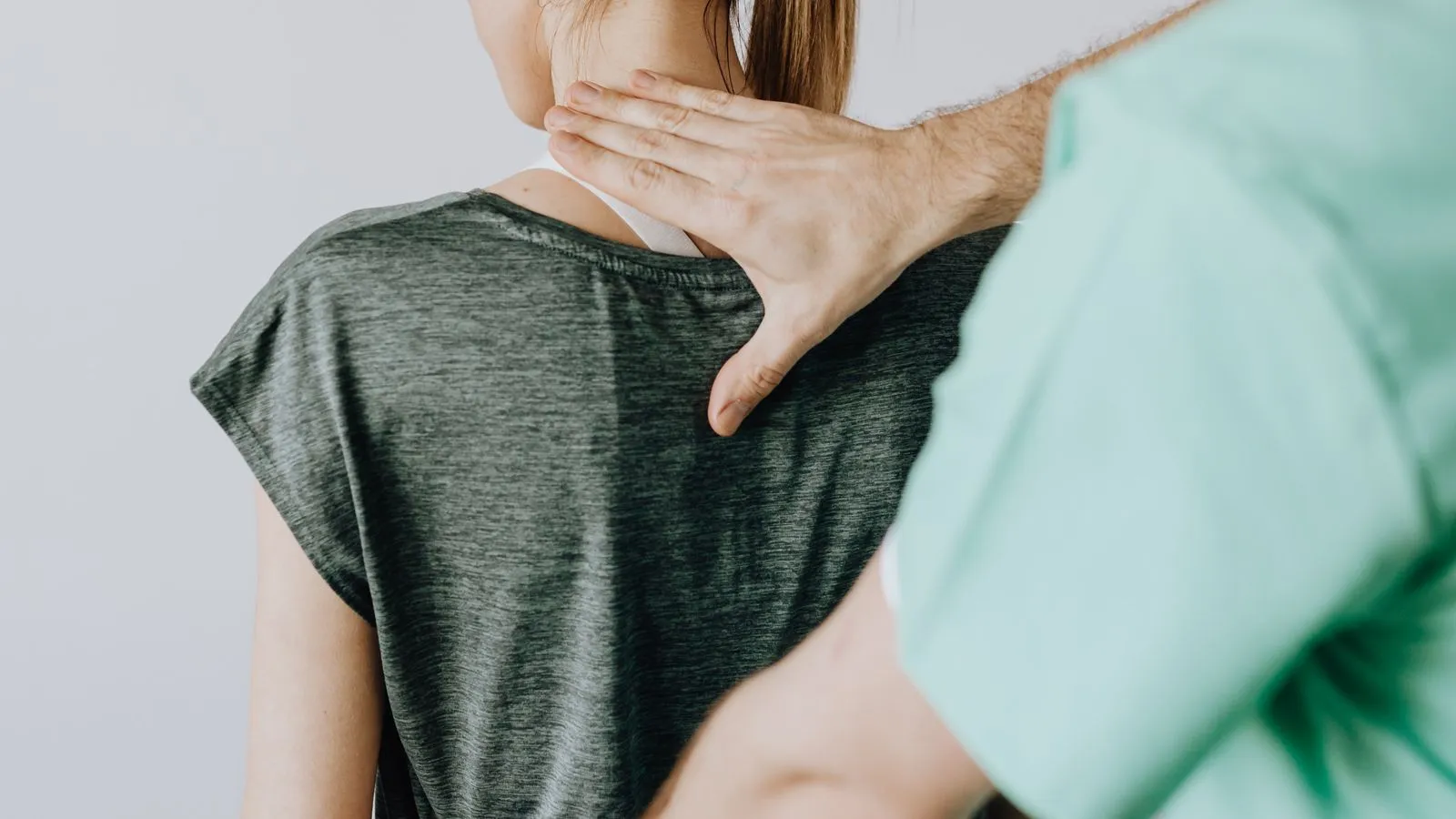
Most scoliosis is noticed during the growth years. Detecting it early directly changes both the path taken and the outcome.
Scoliosis is a curvature of the spine to the side, seen when looking from the front rather than from the side. In most cases the cause is unknown, and it is most often noticed between the ages of 10 and 15, during rapid growth.
The last of these is known as the forward bend test and can be done at home: with feet together and knees straight, the child bends forward; looking at the back from behind, if one side is clearly higher an assessment is needed.
The risk of a curve progressing is directly linked to how much growth remains. A curve detected during a growth spurt needs closer monitoring; after growth is complete the rate of progression falls markedly.
This is why noticing it early changes the path that is followed.
The decision depends on the degree of curve and remaining growth:
These decisions belong to the orthopaedic doctor; physiotherapy runs alongside that follow-up.
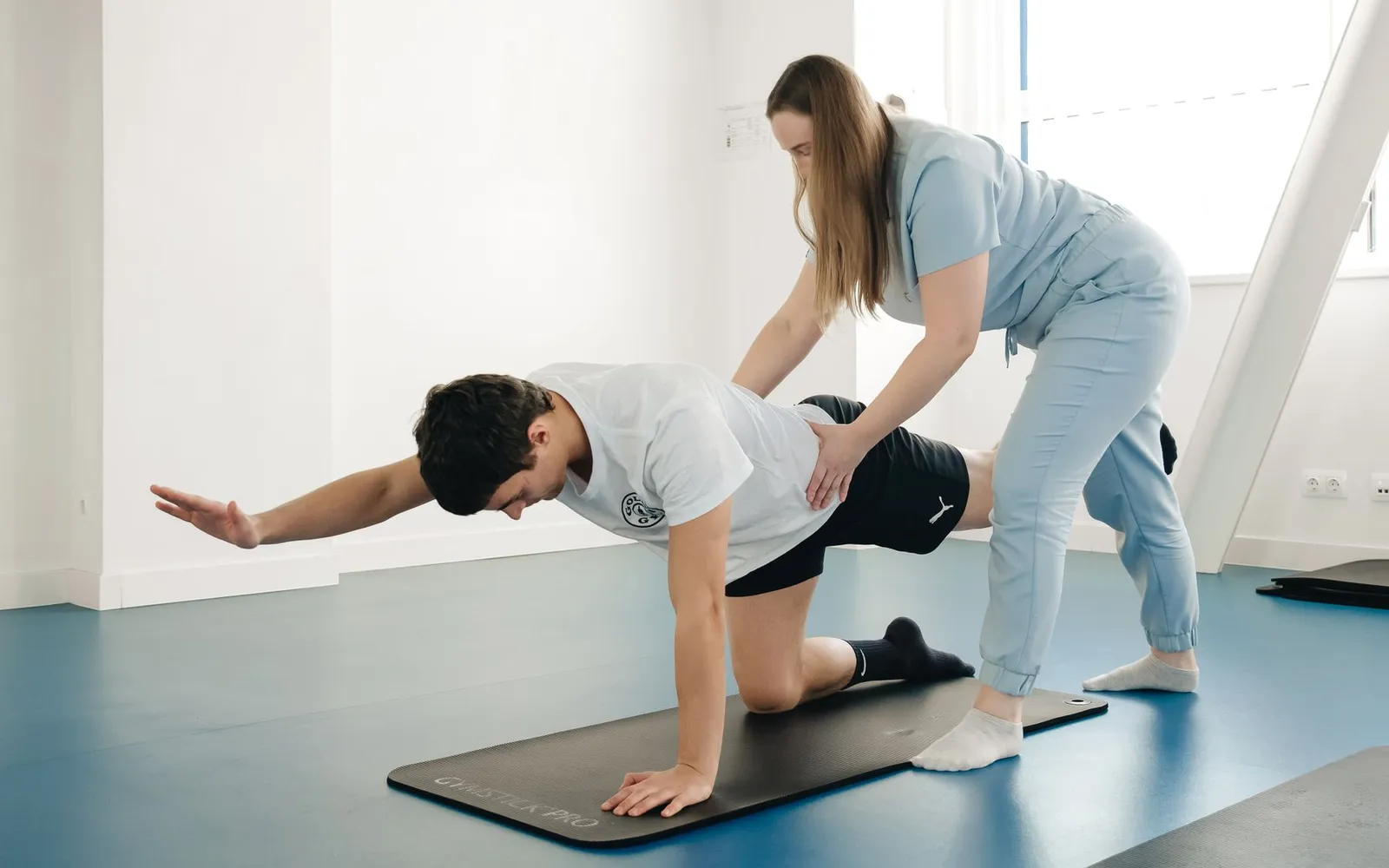
Scoliosis-specific exercise approaches differ from general sport or swimming: they are planned according to the direction of the curve and include three-dimensional correction and breathing work. The aim is as much to improve trunk control and postural awareness as to correct the spine.
No. A heavy bag can cause back pain but is not a cause of structural scoliosis. The same applies to sitting habits.
If you have noticed any of the signs above, or a school screening has raised a concern, you can book a postural and spinal assessment with Fzt. Aydın Ali. Where necessary, a referral to a doctor is made.
Omurga Sağlığı
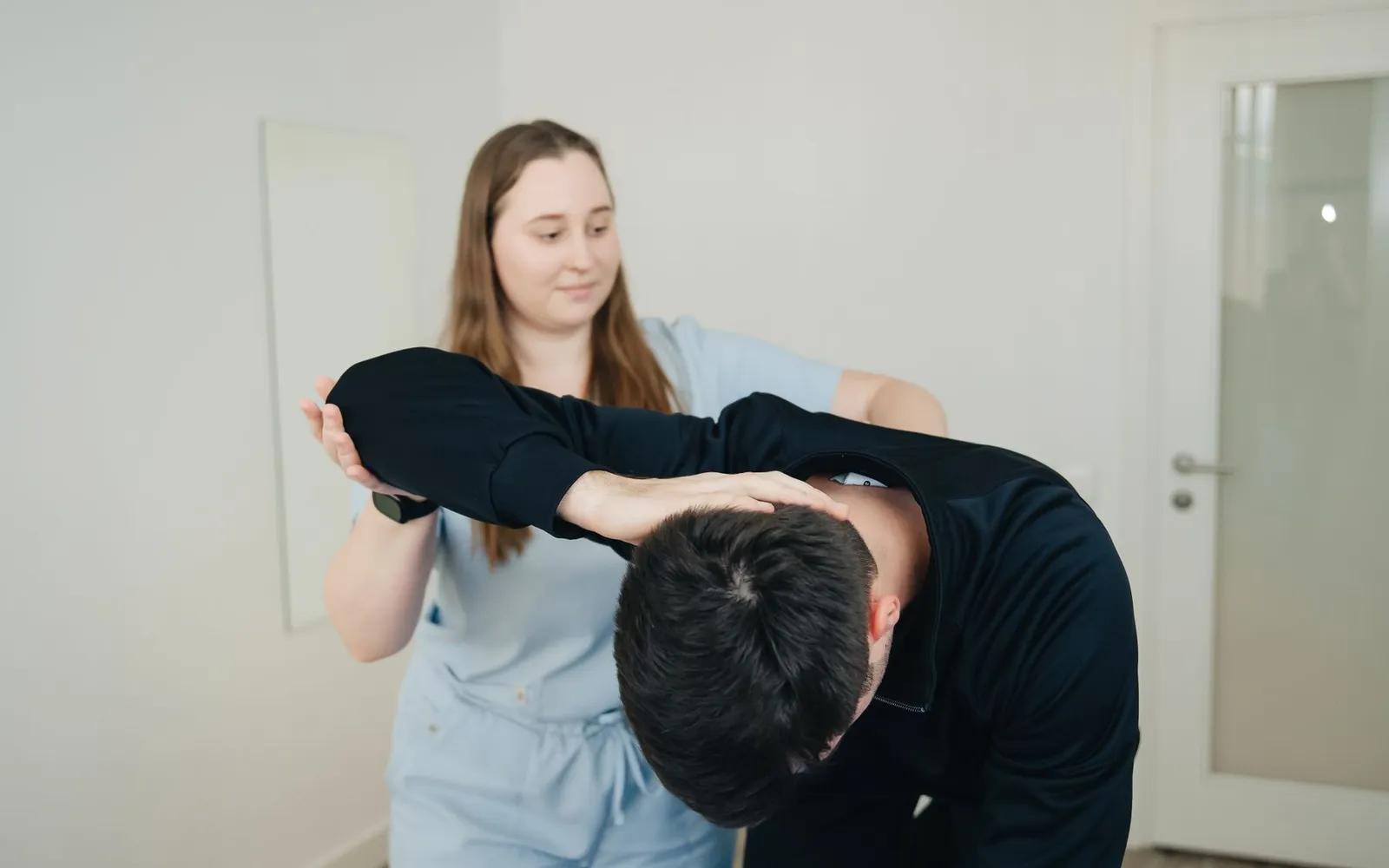
Not every back pain is a disc herniation, and not every herniation needs surgery. How to tell the symptoms apart and when to seek help.
11 Ağustos 2026 · 2 min read
Omurga Sağlığı
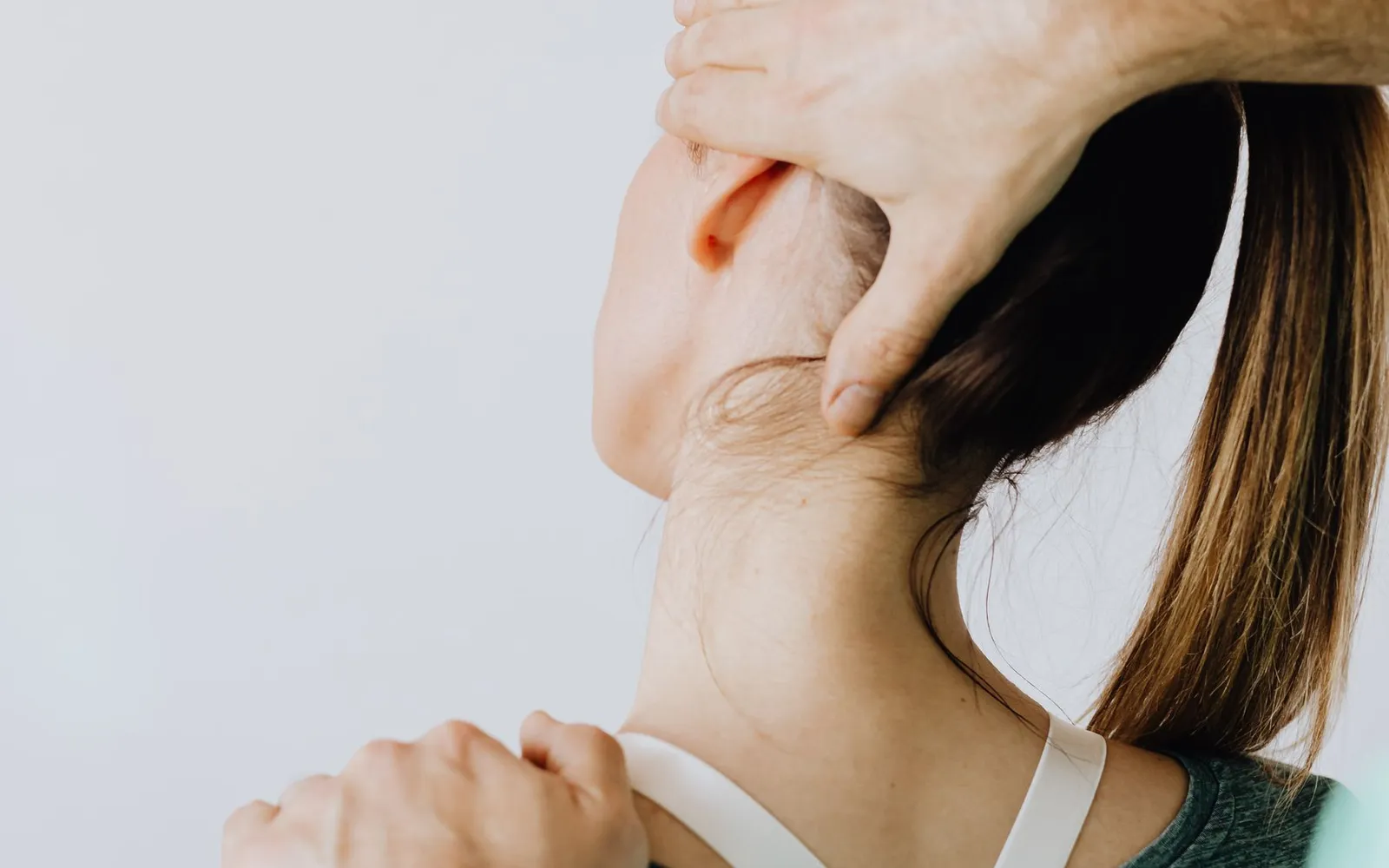
Every 2.5 cm your head moves forward roughly doubles the load your neck muscles carry. The real cause of neck pain in office workers — and what helps.
8 Ağustos 2026 · 2 min read
Ağrı ve Yaşam Kalitesi
This is the question we are asked most. The short answer: at the right dose it reduces pain rather than increasing it. The long answer lies in how that dose is set.
5 Ağustos 2026 · 2 min read