
Why the Home Exercise Programme Matters in Disability Care
Fzt. Aydın Ali · 21 Haziran 2026 · 2 dk okuma
Fzt. Aydın Ali · 21 Haziran 2026 · 2 dk okuma
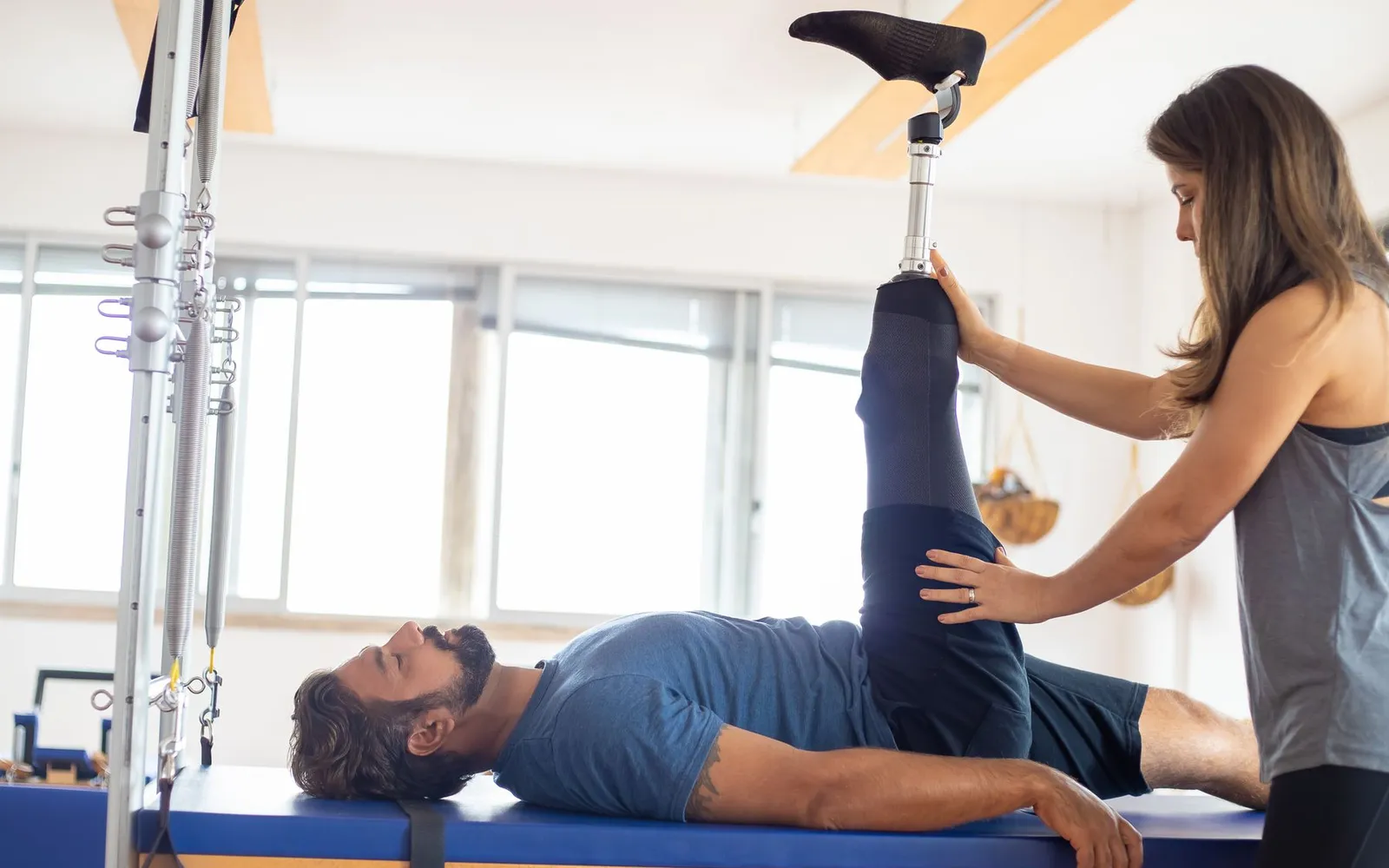
Two sessions a week is a small share next to the other 166 hours. Lasting gains take shape at home.
The visible part of rehabilitation is the sessions. But two sessions a week amount to a few hours in total; all the remaining time is spent at home. Whether gains are kept is largely decided in that time.
Muscle and joint tissue adapt to the regular load they are exposed to. A stretch applied twice a week is generally not enough to halt the development of contracture (joint stiffness). In the same way, the number of repetitions needed for a newly learned movement to become permanent does not fit inside a session.
Short and doable. An ideal one-hour daily programme is worthless if it is not carried out. A programme of 10–15 minutes a day that is actually done is worth more.
Built into the daily routine. Attaching it to an existing routine rather than creating a separate "exercise hour" makes it sustainable: stretching during dressing, sitting-balance work before a meal.
Written and visual. The programme is not left to a verbal explanation; it is handed over in writing and, where possible, with images.
Confirmed as learned. Watching the carer is not enough; they need to perform the movements themselves and be corrected where necessary.
Lifting and positioning performed with the wrong technique lead to back and shoulder problems in the carer. Correct transfer techniques and bed and wheelchair arrangements are therefore included in the programme. The process cannot be sustained unless the carer's health is protected.
Goals set without consulting the family do not get carried out. For one family the priority may be a safe transfer into the bathroom; for another, sitting at the table to eat. When a goal has a real meaning in the person's and the family's life, the programme is taken on.
The programme does not stay fixed. Reassessment happens at regular intervals: goals that have been met are replaced with new ones, and sections that prove difficult are simplified.
Fzt. Aydın Ali runs this process together with the family in Bursa Nilüfer for disabled people and children with special needs; the home programme is taught in person and handed over in writing.
Omurga Sağlığı
Not every back pain is a disc herniation, and not every herniation needs surgery. How to tell the symptoms apart and when to seek help.
11 Ağustos 2026 · 2 min read

Omurga Sağlığı
Every 2.5 cm your head moves forward roughly doubles the load your neck muscles carry. The real cause of neck pain in office workers — and what helps.
8 Ağustos 2026 · 2 min read
Ağrı ve Yaşam Kalitesi
This is the question we are asked most. The short answer: at the right dose it reduces pain rather than increasing it. The long answer lies in how that dose is set.
5 Ağustos 2026 · 2 min read