Jaw Joint Pain (TMJ) and Physiotherapy
Fzt. Aydın Ali · 12 Temmuz 2026 · 2 dk okuma
Fzt. Aydın Ali · 12 Temmuz 2026 · 2 dk okuma
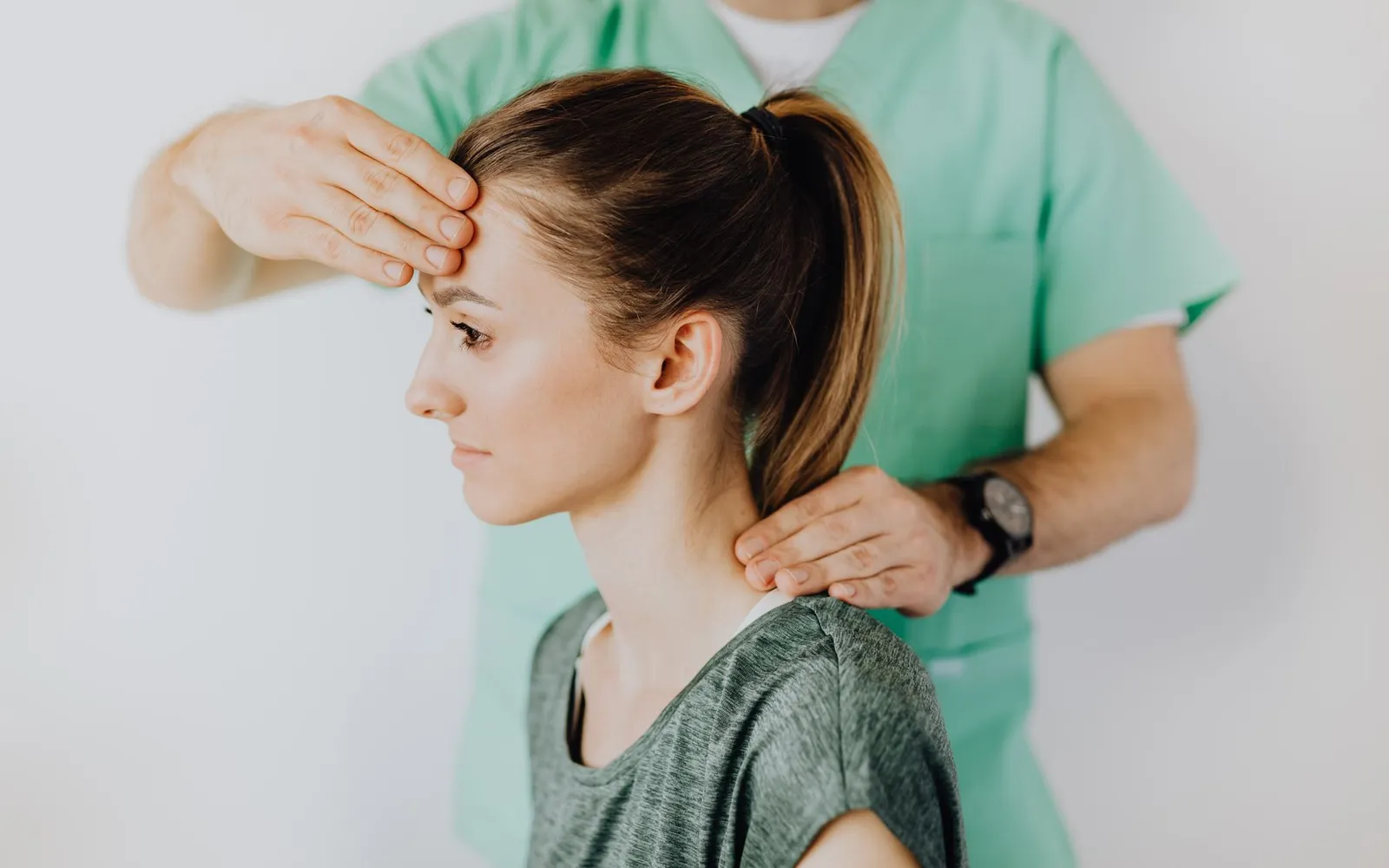
Jaw pain, locking and clicking are often assumed to be dental problems. The source is frequently muscle and joint — and closely tied to the neck.
The temporomandibular joint (TMJ) connects the lower jaw to the skull. It works thousands of times a day: speaking, chewing, swallowing. It is no surprise that a joint working that hard sometimes causes trouble.
Clenching and grinding. One of the most common causes, and most people do not realise they do it in their sleep. It increases markedly in stressful periods.
Muscle imbalance. Overworking chewing muscles increases the load on the joint.
Neck-related problems. The upper neck and the jaw joint share the same nerve supply. For that reason assessment of jaw complaints is not complete without the neck.
Trauma and posture. A blow to the jaw, long periods with the mouth held open (dental work), or a forward head position can all trigger the picture.
Assessment. Mouth opening is measured, the symmetry of jaw movement observed, chewing muscles and neck examined together.
Manual therapy. Techniques for the jaw joint and surrounding muscles; the upper neck is included where needed.
Exercise. Controlled opening exercises restore symmetry of jaw movement.
Habit adjustment. Teaching that the teeth should not touch during the day, temporarily avoiding hard and chewy foods, not cradling the phone against the shoulder — small changes with real effect.
Atlas therapy. Approaches directed at the upper neck are added where the neck-related component is dominant.
They are not alternatives. Tooth alignment, night guards and dental factors belong to your dentist; muscle, joint movement and the neck relationship belong to physiotherapy. The best results come when both run together. If you use a night guard, the programme is adjusted accordingly.
It depends on the duration of the complaint and how far the triggers can be controlled. A programme run while clenching continues progresses slowly, which is why stress and habit management are inseparable parts of the treatment.
Fzt. Aydın Ali assesses the jaw and the neck together in TMJ complaints.
Omurga Sağlığı
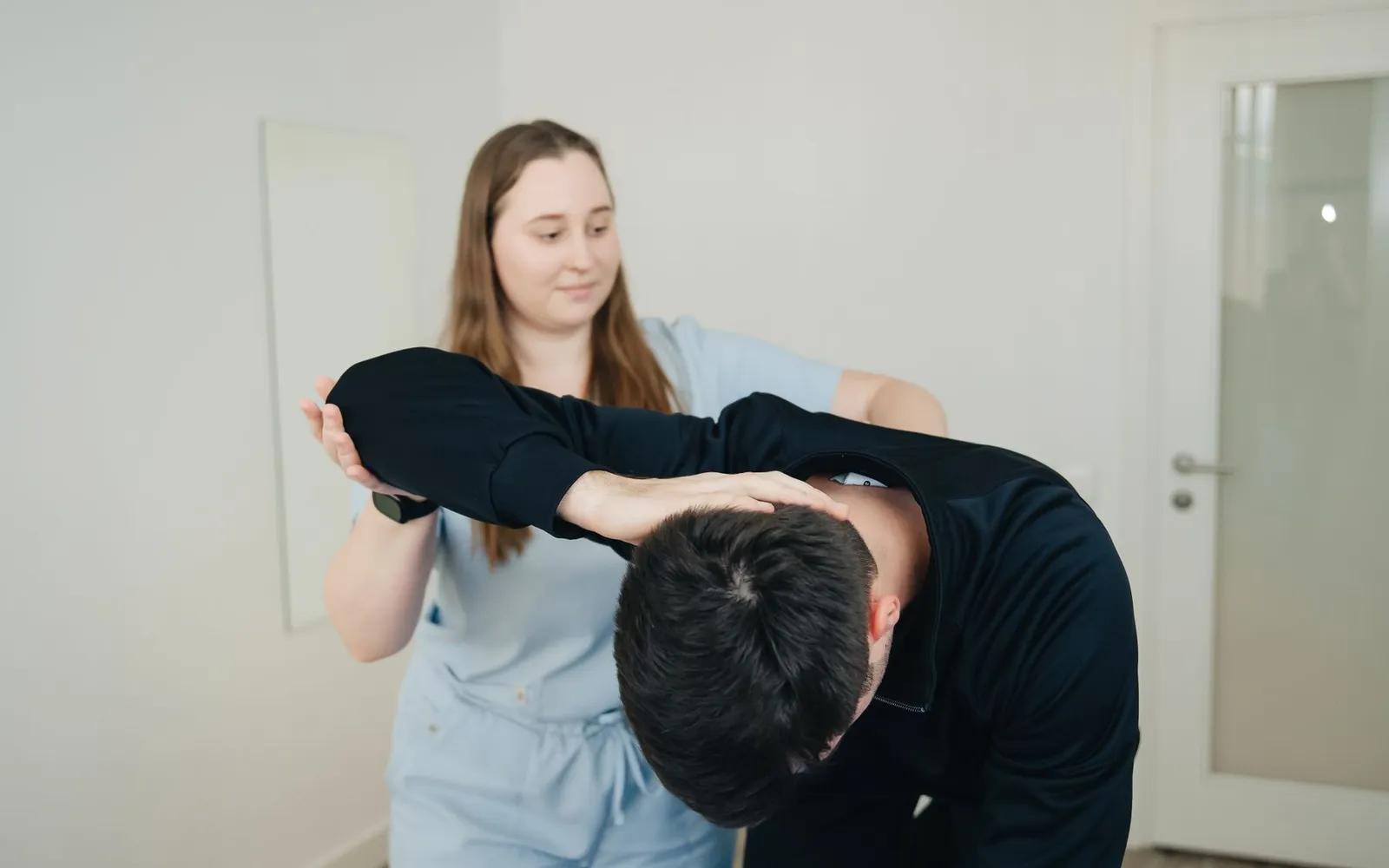
Not every back pain is a disc herniation, and not every herniation needs surgery. How to tell the symptoms apart and when to seek help.
11 Ağustos 2026 · 2 min read
Omurga Sağlığı
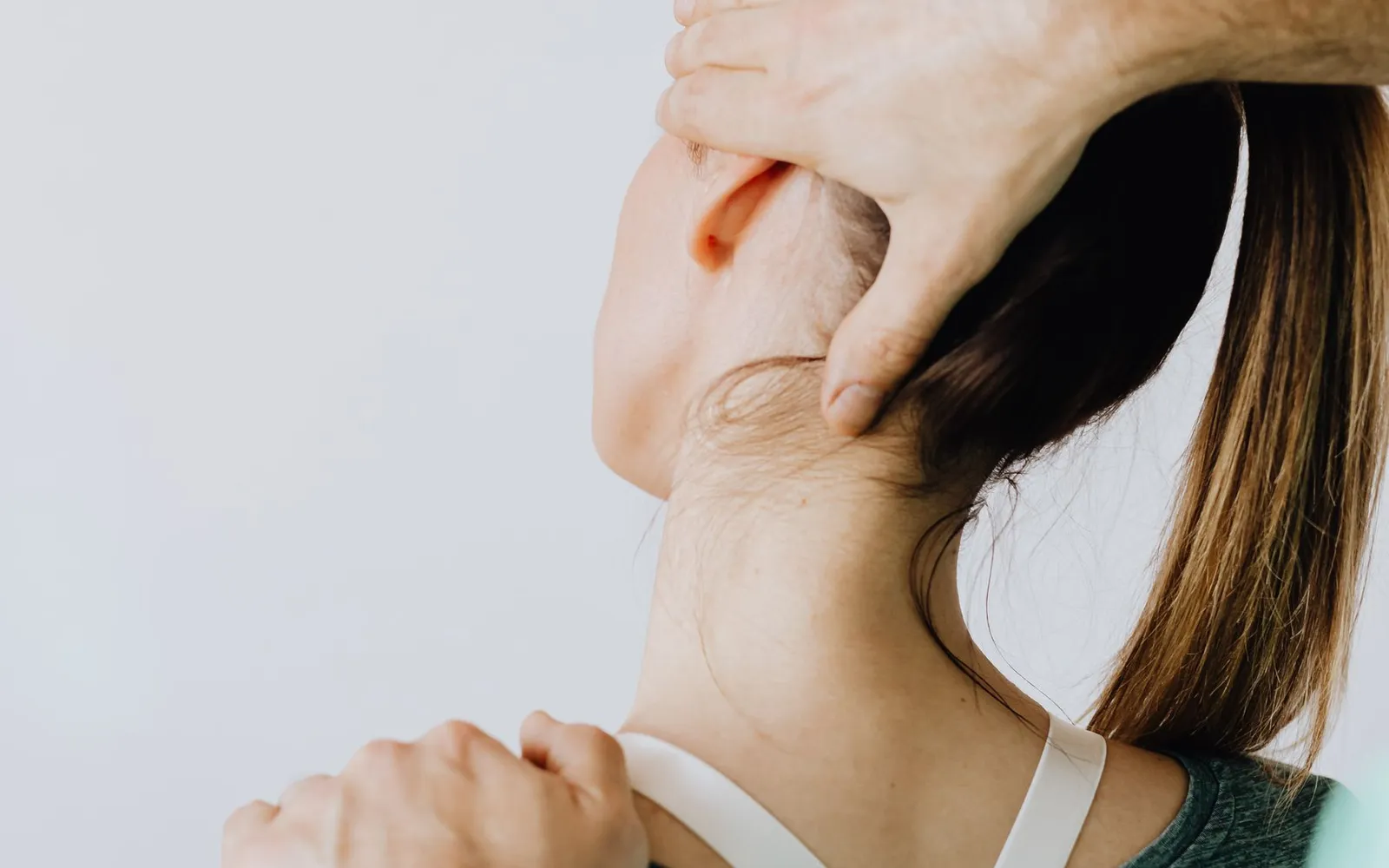
Every 2.5 cm your head moves forward roughly doubles the load your neck muscles carry. The real cause of neck pain in office workers — and what helps.
8 Ağustos 2026 · 2 min read
Ağrı ve Yaşam Kalitesi
This is the question we are asked most. The short answer: at the right dose it reduces pain rather than increasing it. The long answer lies in how that dose is set.
5 Ağustos 2026 · 2 min read