Symptoms of a Herniated Disc: When Should You See a Physiotherapist?
Fzt. Aydın Ali · 11 Ağustos 2026 · 2 dk okuma
Fzt. Aydın Ali · 11 Ağustos 2026 · 2 dk okuma
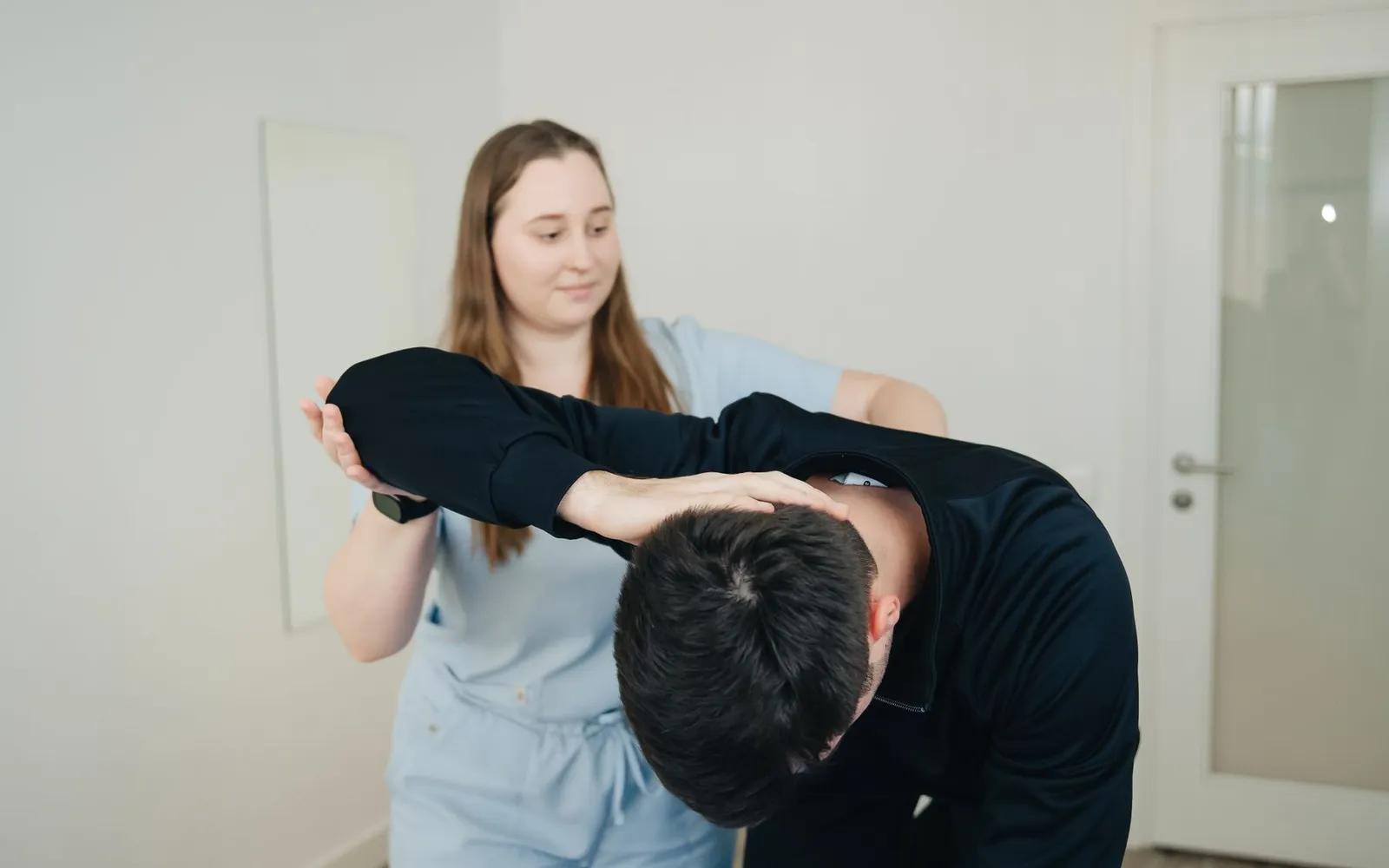
Not every back pain is a disc herniation, and not every herniation needs surgery. How to tell the symptoms apart and when to seek help.
Back pain is something eight out of ten people experience at least once in their lives. Only a small share of those pains, however, genuinely come from a herniated disc. Knowing the difference prevents both unnecessary worry and unnecessary treatment.
Between the vertebrae sit discs that act as cushions. When a weakness develops in the outer ring of a disc, the inner part can shift and press on a nerve root — this is what we call a herniated disc. That pressure is what makes pain travel down the leg.
Pain that stays in the back and does not travel into the leg is usually muscular and does not mean a herniation.
The following need urgent assessment and a doctor should be seen before a physiotherapist:
Current clinical guidelines state that in the great majority of disc herniations the first choice is not surgery but exercise-based physiotherapy. The process runs in three stages:
That third stage is the one most often skipped and the one that matters most. If the programme is dropped once pain settles, the complaint returns within months.
Imaging is not necessary for every episode of back pain. A significant proportion of people with no symptoms at all show disc bulges on MRI. The decision is therefore made on the clinical picture, not on the image. If you already have a report, bringing it to the assessment speeds things up.
The number of sessions depends on how long you have had the problem, how severe it is and your general condition. At the first assessment with Fzt. Aydın Ali, measurements are taken, goals are agreed together and the process is reviewed at regular intervals.
If your back pain has lasted more than two weeks, travels into your leg or keeps coming back, you can book an assessment.

Omurga Sağlığı
Every 2.5 cm your head moves forward roughly doubles the load your neck muscles carry. The real cause of neck pain in office workers — and what helps.
8 Ağustos 2026 · 2 min read
Ağrı ve Yaşam Kalitesi
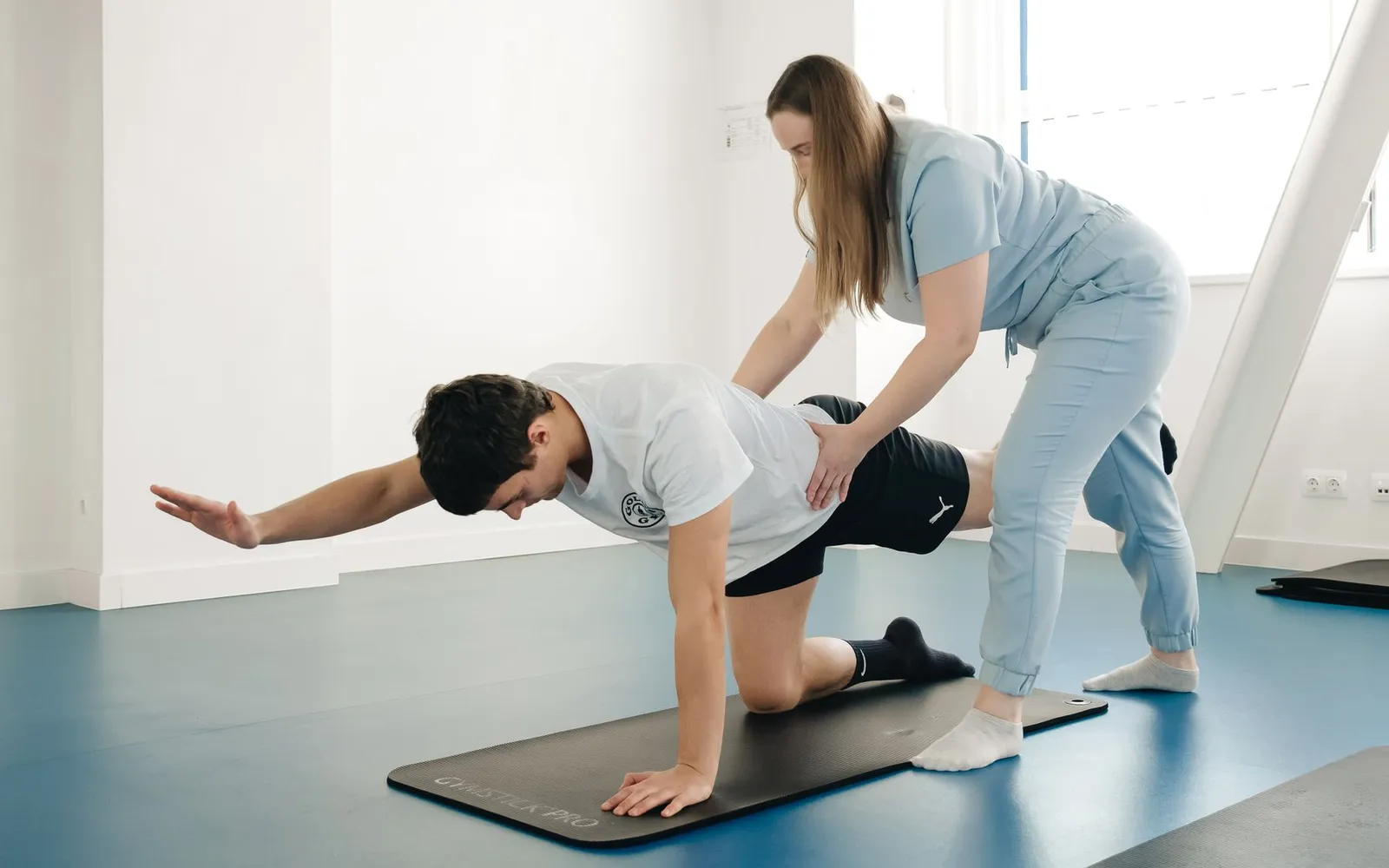
This is the question we are asked most. The short answer: at the right dose it reduces pain rather than increasing it. The long answer lies in how that dose is set.
5 Ağustos 2026 · 2 min read
Ortopedi ve Rehabilitasyon
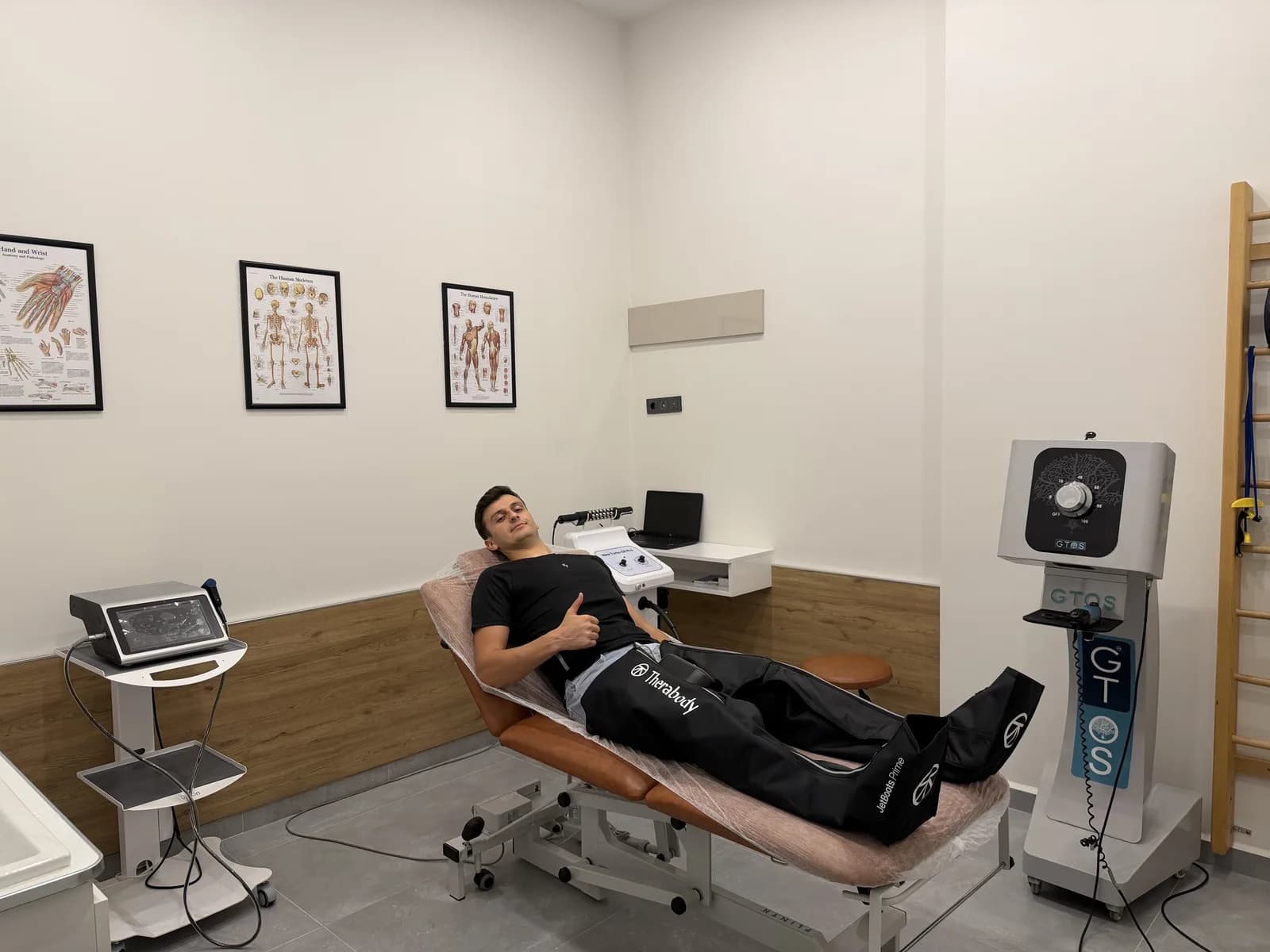
A successful operation is only half of a good outcome. The other half is decided by the rehabilitation done in the weeks that follow.
2 Ağustos 2026 · 2 min read