Half of Sports Injuries Are Preventable — Here's How
Fzt. Aydın Ali · 6 Temmuz 2026 · 2 dk okuma
Fzt. Aydın Ali · 6 Temmuz 2026 · 2 dk okuma
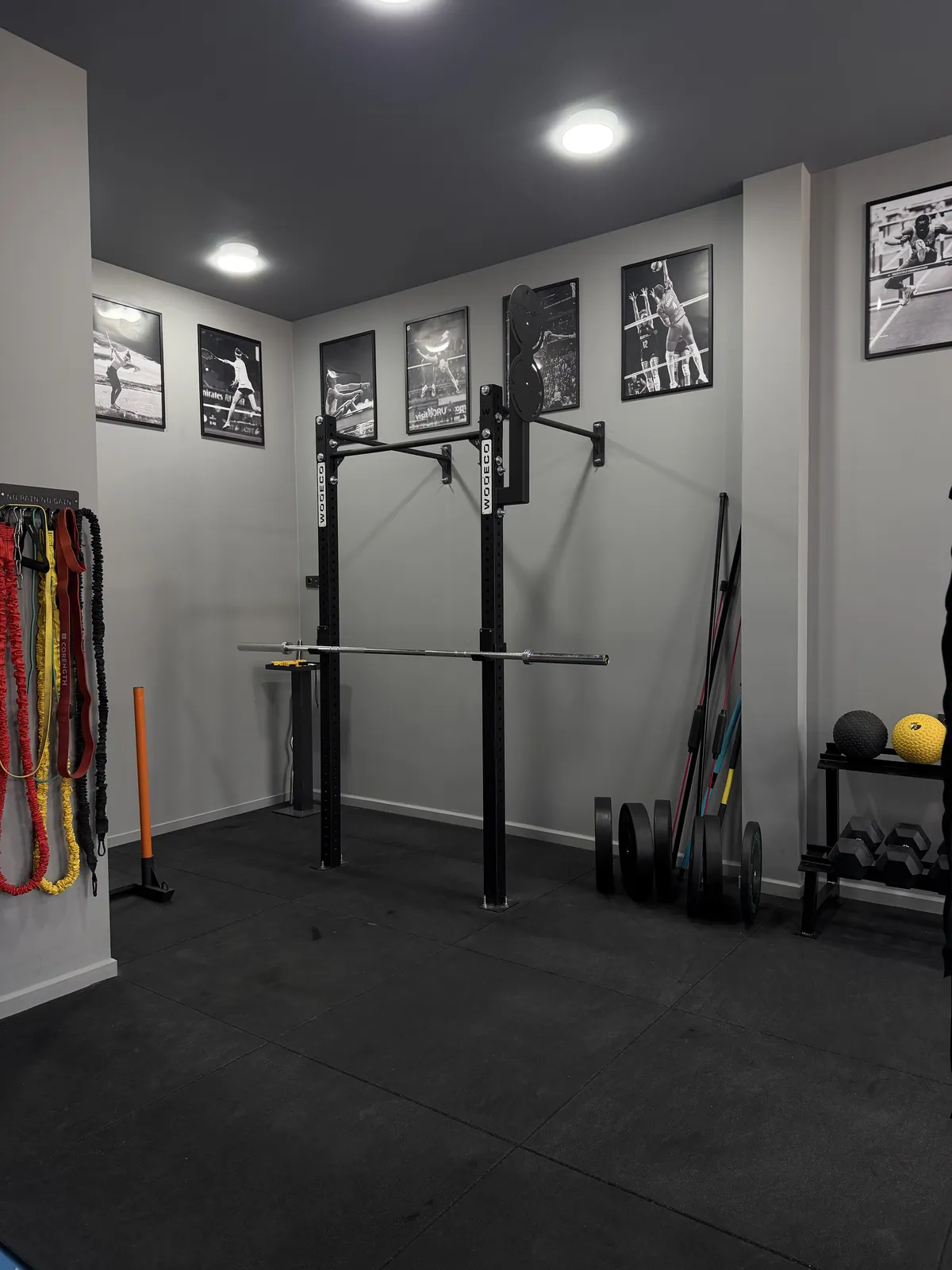
In amateur athletes most injuries happen without contact, which means they can be prevented. It comes down to three things.
A large share of injuries on the pitch happen not through contact with an opponent but during the athlete's own movement: a turn, a landing, an acceleration. This group, known as non-contact injuries, can be reduced substantially with the right preparation.
The strongest early warning sign for injury is a sudden jump in training load. Returning to a previous tempo within a week after a long break, or abruptly increasing match frequency, leaves tissue no chance to adapt.
A practical rule: avoid increases of more than 10% in weekly load, and keep pre-season preparation long enough.
This is the protective factor the research shows most clearly. In particular:
These should be planned as an integral part of training, not as an extra burden on top of it.
The single strongest predictor of a new injury is a previous injury in the same area. The reason is simple: most athletes return to play when pain has gone, while strength and control have not yet been matched to the other side.
The decision to return should rest on criteria rather than time: the strength difference between sides, hop and balance tests, and pain-free performance of the sport's own movements.
Yes — but not in the form of passive stretching. An effective warm-up consists of light running to raise the heart rate, dynamic movements and a section that rehearses the movement patterns of that day's training. Structured warm-up protocols have been shown to reduce injury rates markedly.
Movement analysis and strength measurements reveal weak links before an injury has occurred. Fzt. Aydın Ali carries out these assessments for athletes in Bursa Nilüfer and builds an individual preventive programme from the results.
You can book an assessment before the season or during a return from injury.
Omurga Sağlığı
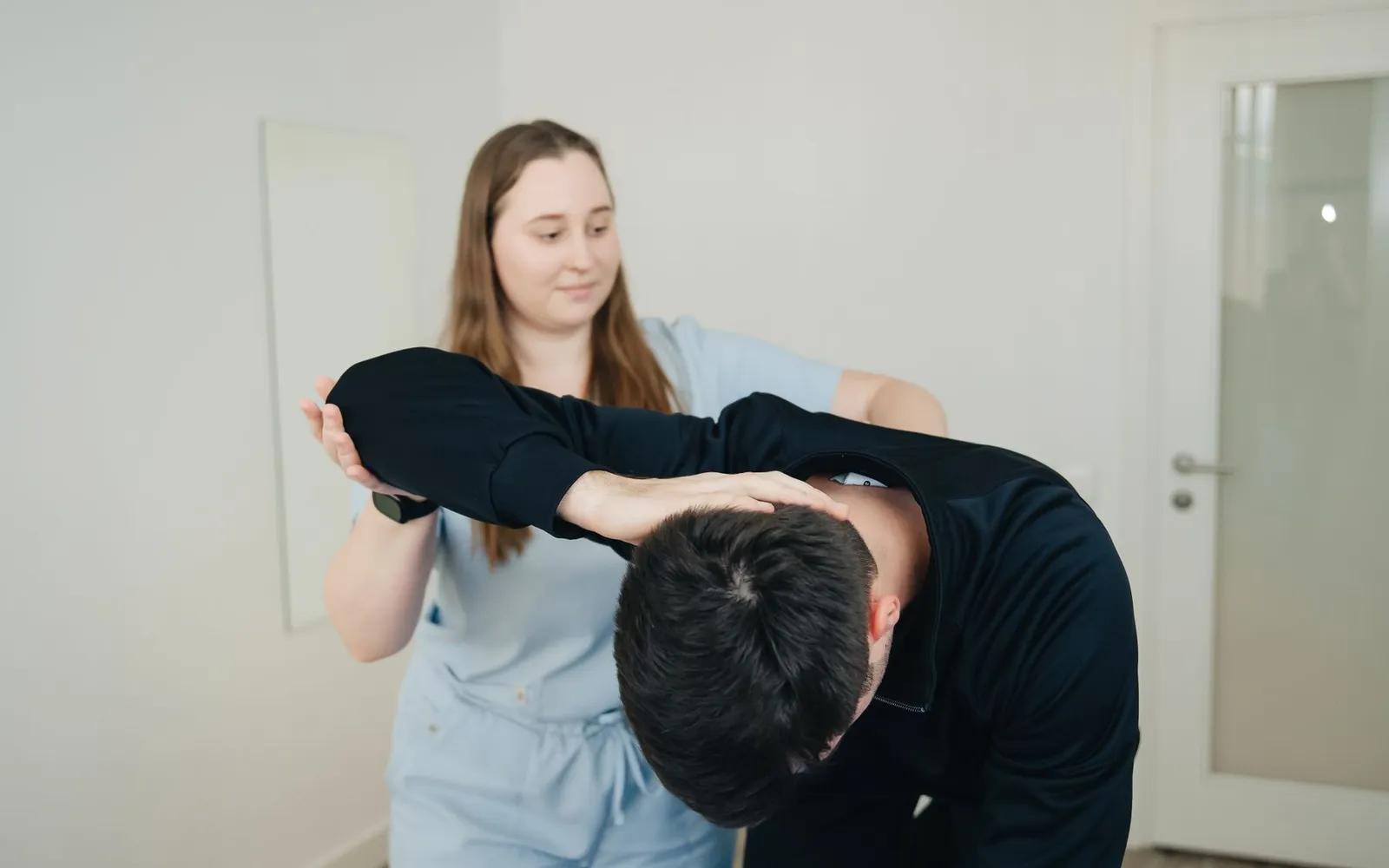
Not every back pain is a disc herniation, and not every herniation needs surgery. How to tell the symptoms apart and when to seek help.
11 Ağustos 2026 · 2 min read

Omurga Sağlığı
Every 2.5 cm your head moves forward roughly doubles the load your neck muscles carry. The real cause of neck pain in office workers — and what helps.
8 Ağustos 2026 · 2 min read
Ağrı ve Yaşam Kalitesi
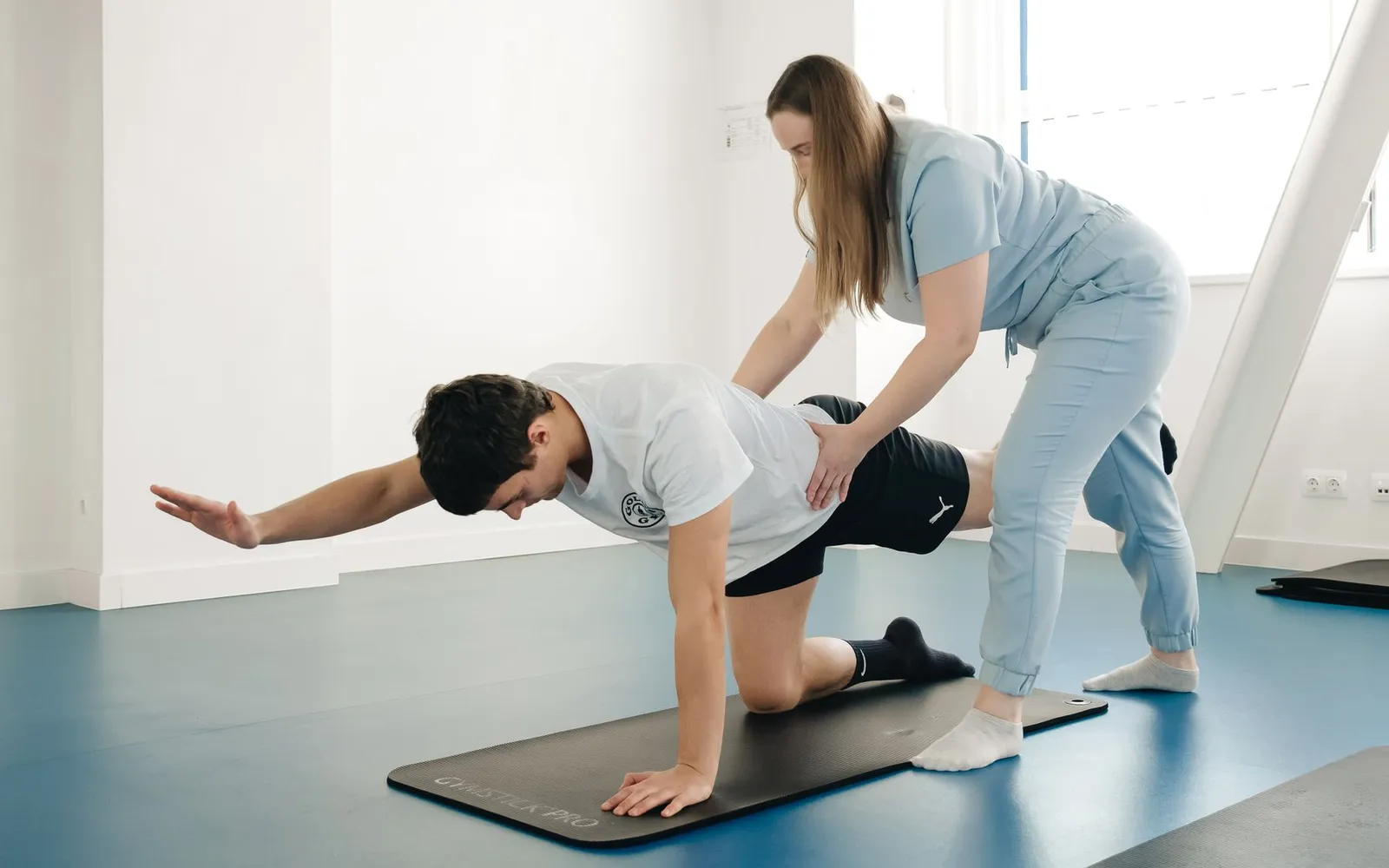
This is the question we are asked most. The short answer: at the right dose it reduces pain rather than increasing it. The long answer lies in how that dose is set.
5 Ağustos 2026 · 2 min read