Neuroplasticity: How the Brain Reorganises Itself
Fzt. Aydın Ali · 24 Haziran 2026 · 2 dk okuma
Fzt. Aydın Ali · 24 Haziran 2026 · 2 dk okuma
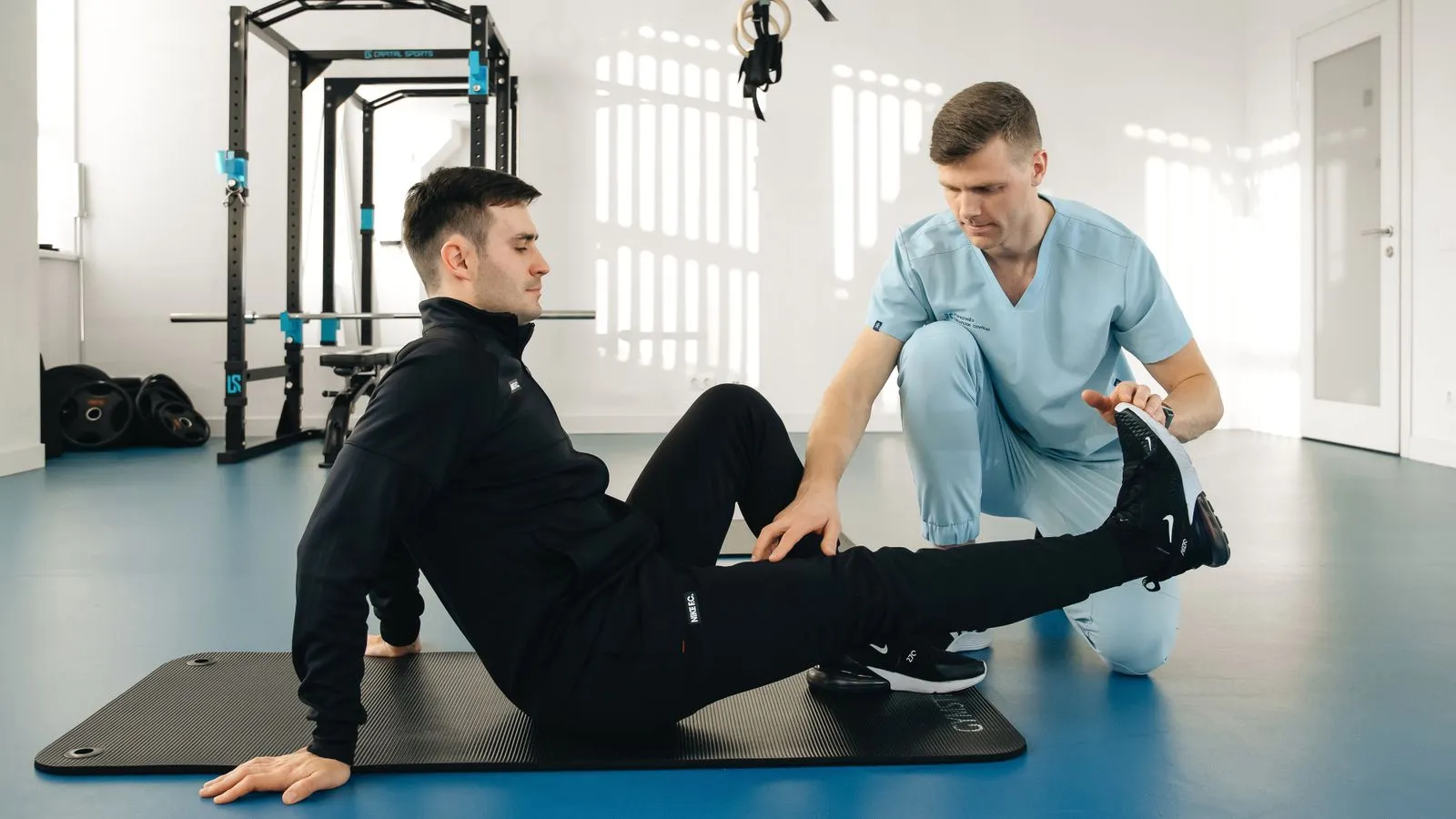
The view that the adult brain cannot change no longer holds. The entire logic of neurological rehabilitation rests on that capacity for change.
Until recently the adult brain was thought to be fixed, and the function of a damaged region permanently lost. As imaging methods improved that view changed: the brain can form new connections throughout life. The entire logic of neurological rehabilitation rests on this capacity.
It is the strengthening or weakening of connections between nerve cells according to use. Frequently used pathways strengthen; unused ones decline. In short: the brain learns whatever you do.
This principle works in both directions. Repeating the correct movement reinforces that movement; repeating a faulty or compensatory movement reinforces that too. This is why, in rehabilitation, "how" matters as much as "how much".
Research shows that plasticity accelerates under particular conditions:
These conditions directly shape how a rehabilitation programme is designed.
Neuroplasticity also works in ongoing conditions such as MS and Parkinson's disease. There the goal is not to recover what has been lost but to preserve function for as long as possible and slow the rate of decline. Regular, goal-directed exercise has been shown to have a positive effect on walking, balance and daily-life capacity in these conditions.
The early period is more productive, but plasticity continues throughout life. Even in cases where years have passed, measurable gains can be achieved with a regular and well-designed programme. What matters is not the time that has elapsed but the quality and continuity of the programme.
Neurological rehabilitation is a long process. Keeping motivation requires goals that are realistic, measurable and meaningful to the person.
Fzt. Aydın Ali sets goals together with the person and their family in neurological cases in Bursa Nilüfer, and follows the process with regular measurement.
Omurga Sağlığı
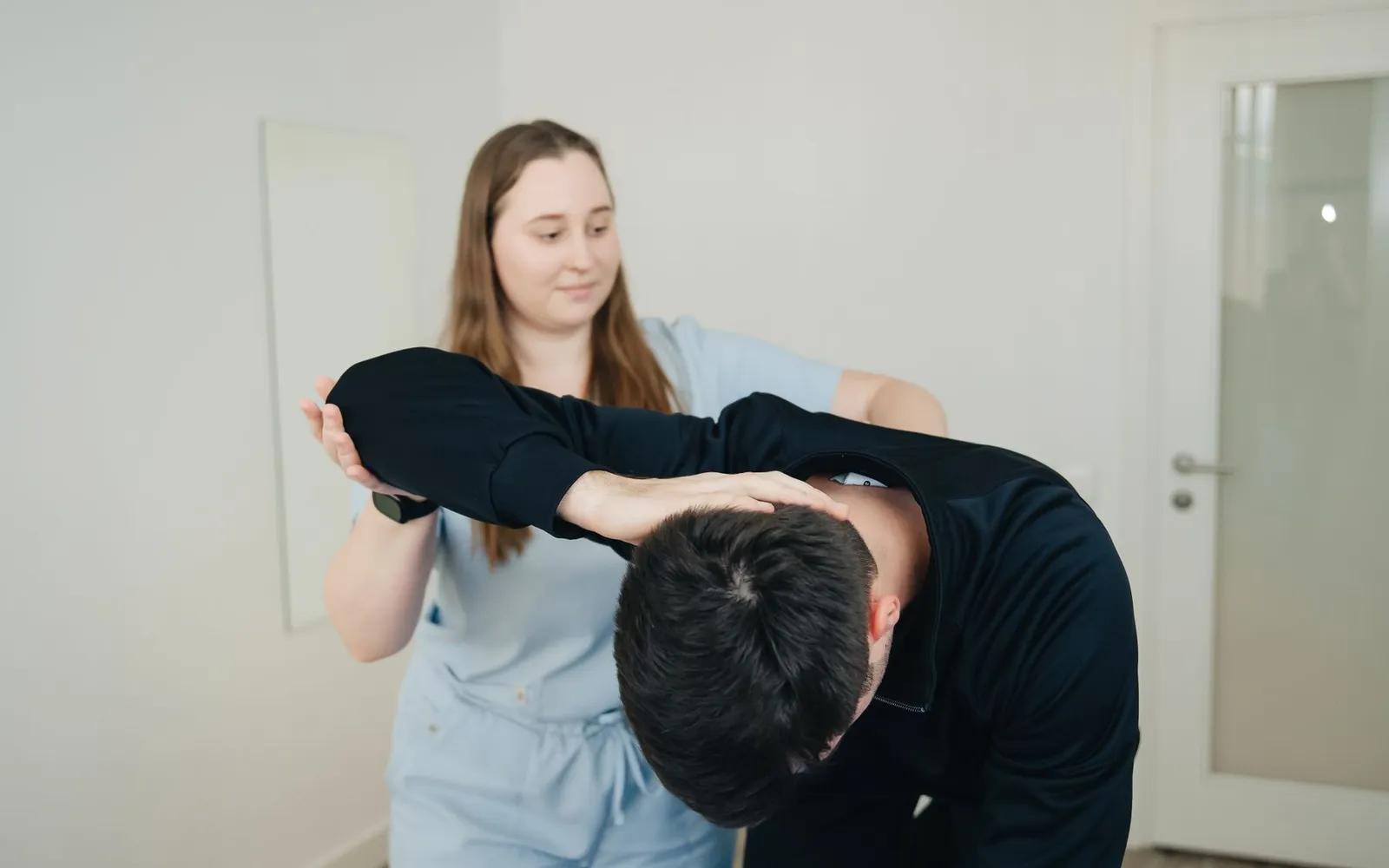
Not every back pain is a disc herniation, and not every herniation needs surgery. How to tell the symptoms apart and when to seek help.
11 Ağustos 2026 · 2 min read
Omurga Sağlığı
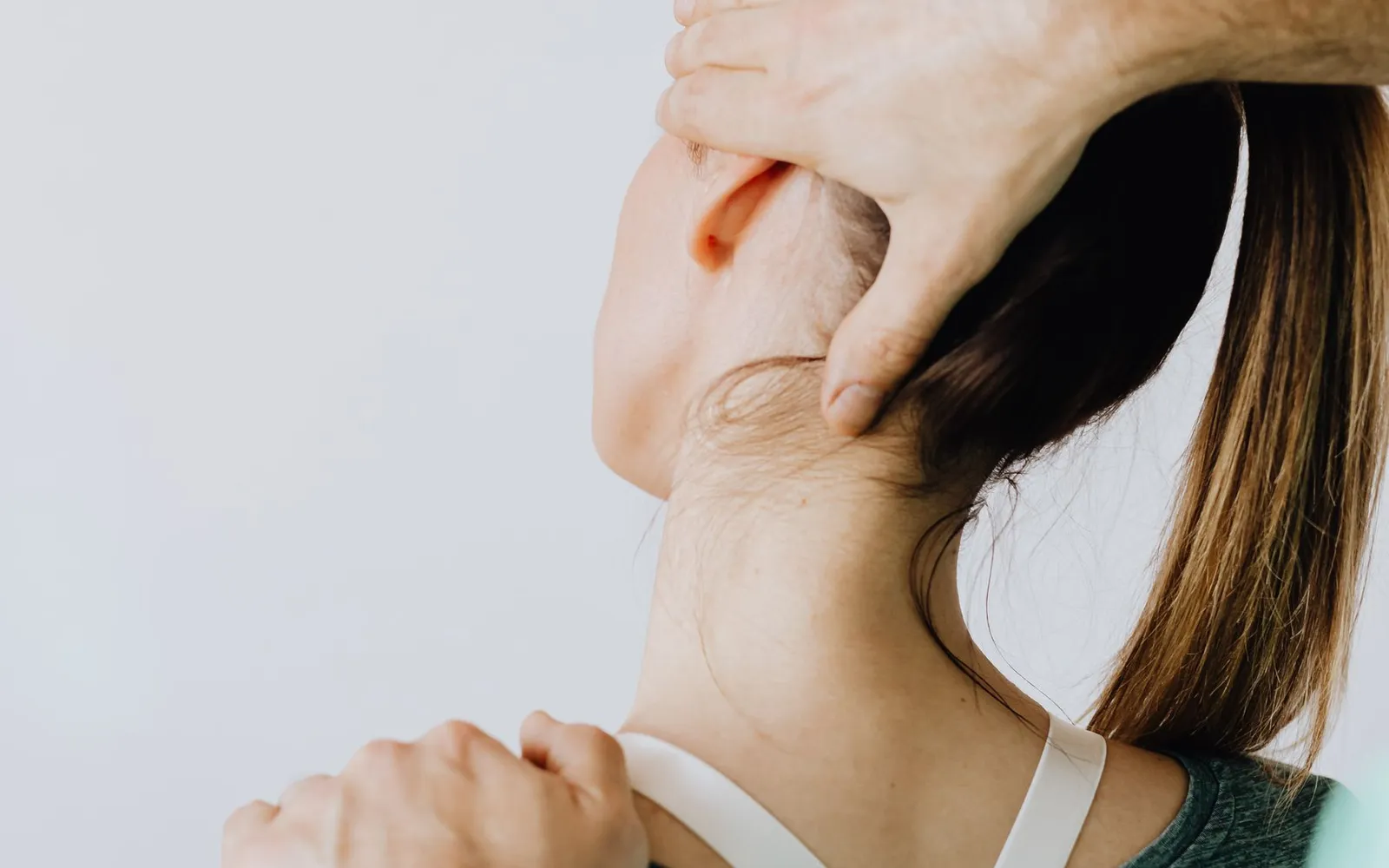
Every 2.5 cm your head moves forward roughly doubles the load your neck muscles carry. The real cause of neck pain in office workers — and what helps.
8 Ağustos 2026 · 2 min read
Ağrı ve Yaşam Kalitesi
This is the question we are asked most. The short answer: at the right dose it reduces pain rather than increasing it. The long answer lies in how that dose is set.
5 Ağustos 2026 · 2 min read