What Is Manual Therapy and Who Is It For?
Fzt. Aydın Ali · 18 Temmuz 2026 · 2 dk okuma
Fzt. Aydın Ali · 18 Temmuz 2026 · 2 dk okuma
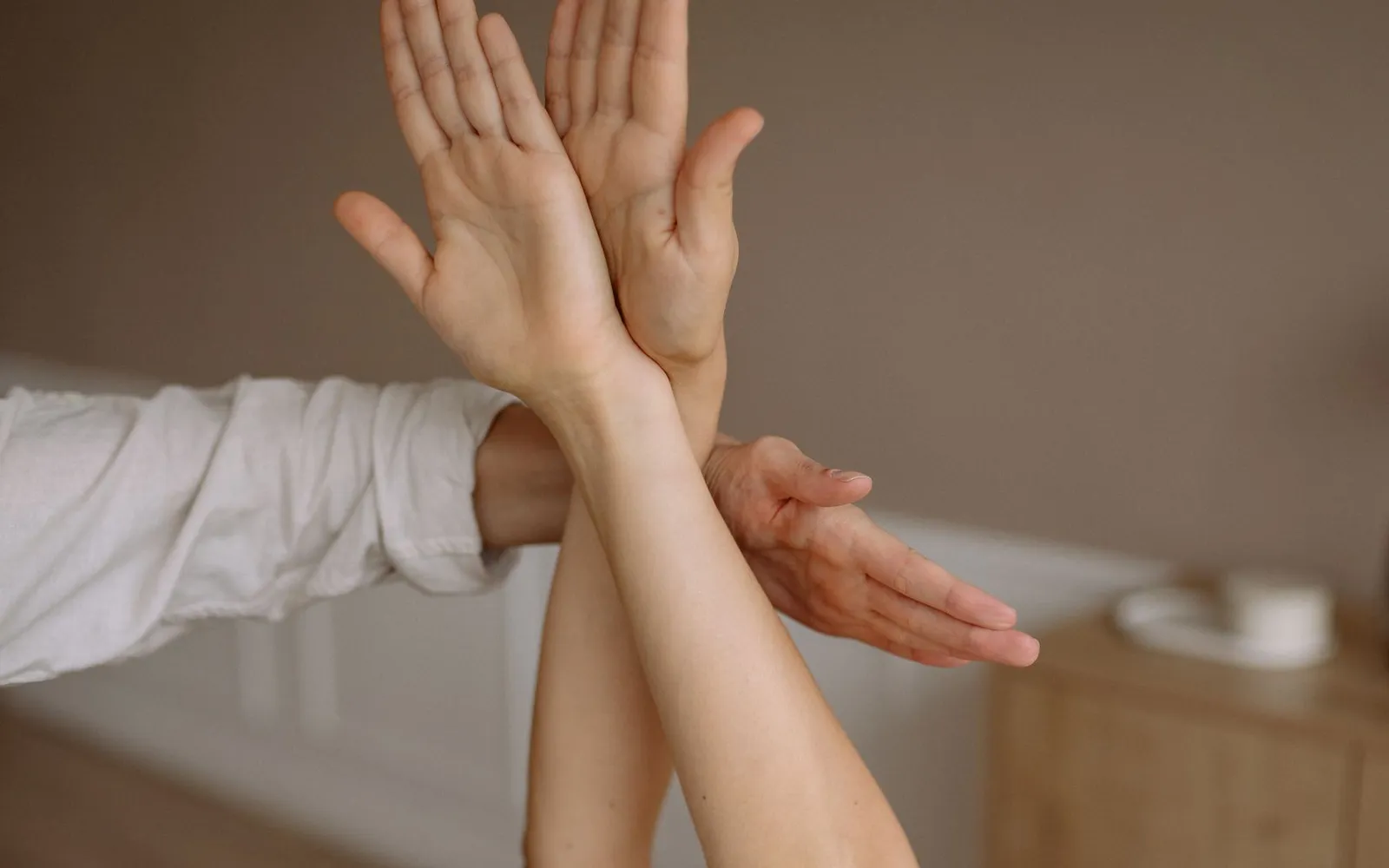
Manual therapy is not a treatment on its own — it is a tool that opens the door for exercise. Used in the right place, it clearly speeds the process up.
Manual therapy is the general name for the measured techniques a physiotherapist applies to joints and soft tissue by hand. The aim is to restore restricted movement, reduce pain and prepare tissue to take load again.
Massage is essentially about soft tissue and relaxation. Manual therapy rests on assessment: which joint is restricted in which direction is measured, the technique is chosen for that restriction, and the result is measured again afterwards. Relaxation is not the goal but part of the outcome.
No — and this is the most critical point in the process. Manual therapy opens a window: pain drops, movement improves. If that window is not filled with exercise, the tissue does not return to its former load capacity and the complaint comes back within weeks.
So manual therapy is not the whole programme but its entrance. The rest of the session always continues with exercise.
Techniques are applied within tolerable limits. Some may produce mild discomfort; unbearable pain is never the goal. You are expected to say so the moment you are uncomfortable — your feedback sets the dose.
The "click" heard during some joint techniques comes from a pressure change inside the joint. It does not mean something slipped back into place and is not a marker of success.
Manual techniques are not applied, or are modified, in active infection, recent fracture, advanced osteoporosis, suspected tumour in the area and certain vascular conditions. That is why your medical history is asked in detail at the first session; sharing your diagnoses and medications in full matters.
It depends on the duration and nature of the complaint. Recent movement restrictions can change markedly within a few sessions; chronic pictures take longer alongside strength work. The number is not given as a package up front — it is updated according to measurement.
Fzt. Aydın Ali always applies manual therapy as part of an exercise programme, in one-to-one sessions.
Omurga Sağlığı
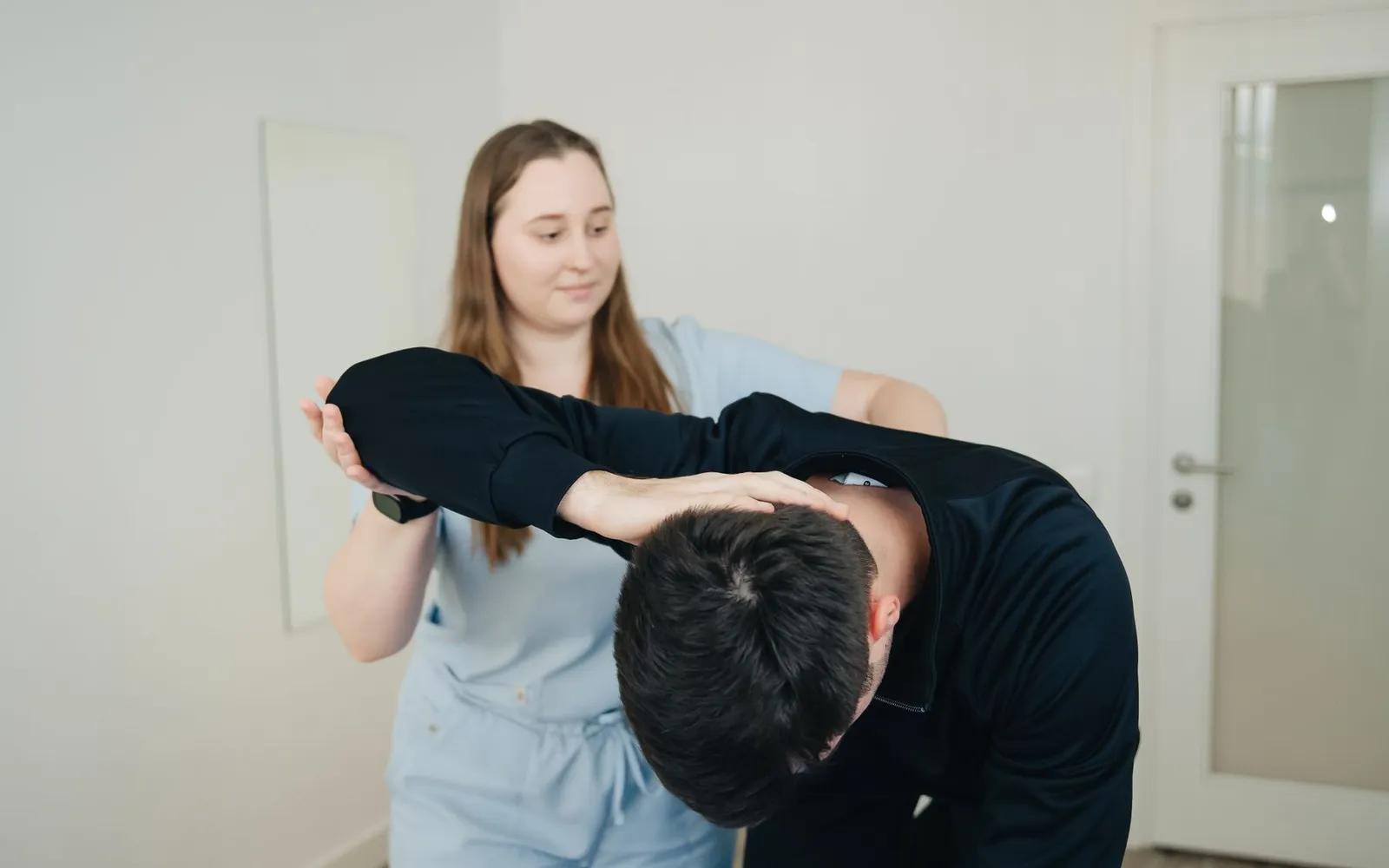
Not every back pain is a disc herniation, and not every herniation needs surgery. How to tell the symptoms apart and when to seek help.
11 Ağustos 2026 · 2 min read

Omurga Sağlığı
Every 2.5 cm your head moves forward roughly doubles the load your neck muscles carry. The real cause of neck pain in office workers — and what helps.
8 Ağustos 2026 · 2 min read
Ağrı ve Yaşam Kalitesi
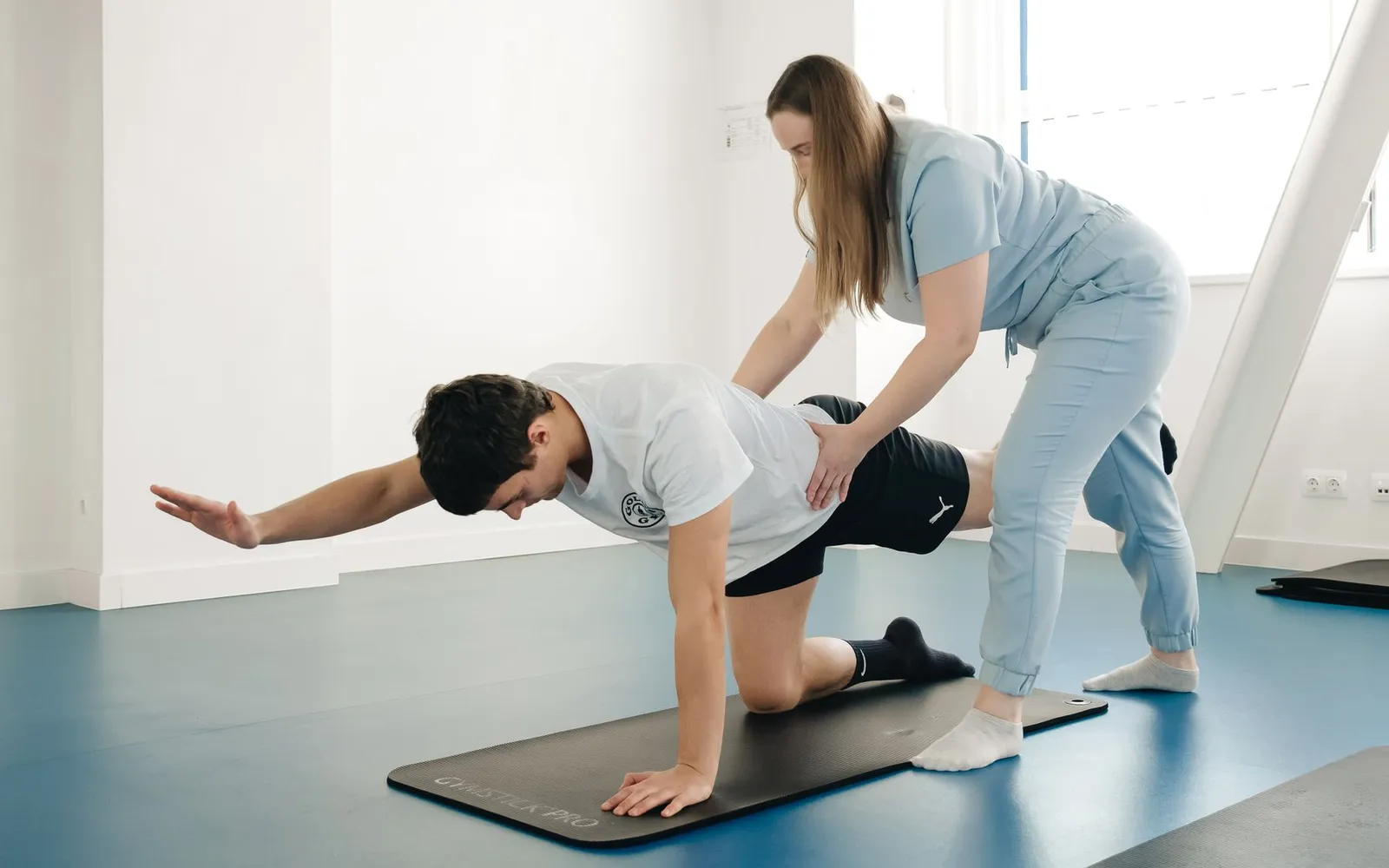
This is the question we are asked most. The short answer: at the right dose it reduces pain rather than increasing it. The long answer lies in how that dose is set.
5 Ağustos 2026 · 2 min read