Why Strength Training Matters at Every Age
Fzt. Aydın Ali · 9 Temmuz 2026 · 2 dk okuma
Fzt. Aydın Ali · 9 Temmuz 2026 · 2 dk okuma
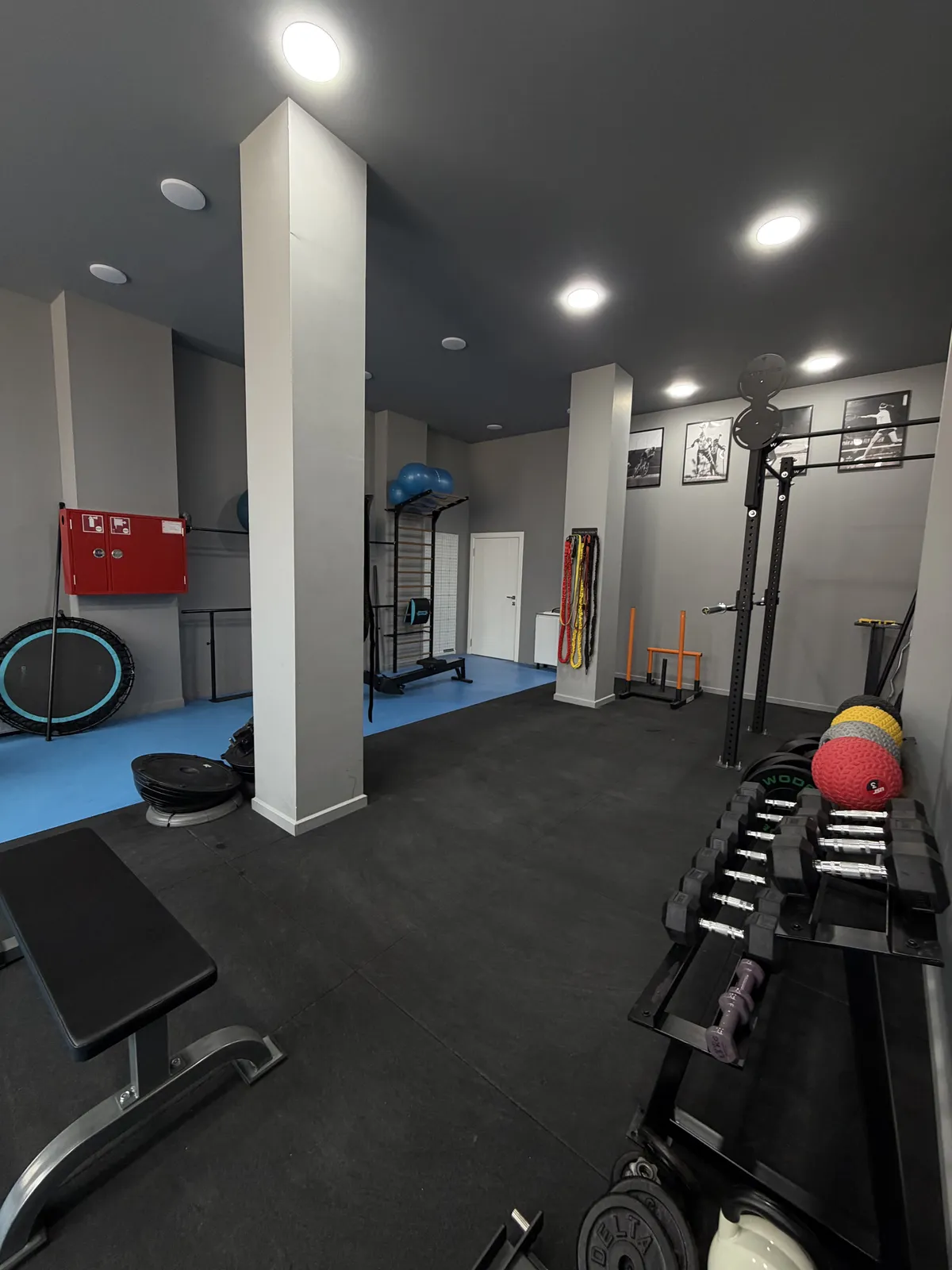
Muscle mass falls by 3–8% per decade after the age of 30. Strength training is the only intervention that halts that loss — and it concerns everyone, not just athletes.
For a long time strength training was seen as something only athletes and bodybuilders did. Research over the past twenty years has turned that view around: muscle mass and strength are now regarded as among the strongest markers of healthy ageing.
After the age of 30, muscle mass falls by an average of 3–8% per decade, and the rate increases after 60. This process, called sarcopenia, progresses unnoticed, because daily life gradually settles into an easier routine: the lift instead of the stairs, the car instead of the walk.
The consequences are not only cosmetic. Reduced muscle mass is directly linked to loss of balance, falls, metabolic problems and joint pain.
This is the most common concern, and the research shows the opposite. Loading applied at the right dose supports cartilage and tendon health. The problem is not the weight itself but loading an unprepared body suddenly and without technique.
1. Assessment. Range of motion, strength imbalances and previous injuries are identified. A programme written without knowing the weak link will load that link.
2. Technique first. The early weeks go to movement, not to weight. A pattern learned incorrectly is much harder to correct later.
3. Graded loading. Weekly increases are kept measured. Almost all overload injuries come from progressing too quickly.
4. Measurement and updating. Measurements repeated at intervals mean progress rests on data rather than on how you feel.
A physiotherapist can clinically assess how pain and past injury affect movement and build the programme around that. It follows that someone with a history of disc herniation, someone who has had shoulder impingement and someone with no training experience cannot be given the same programme.
Fzt. Aydın Ali runs strength and conditioning work in Bursa Nilüfer one-to-one: no more than one person is seen at a time, every repetition is watched and corrected on the spot where needed.
If you do not know where to start, you can book an assessment that begins with measurement.
Omurga Sağlığı
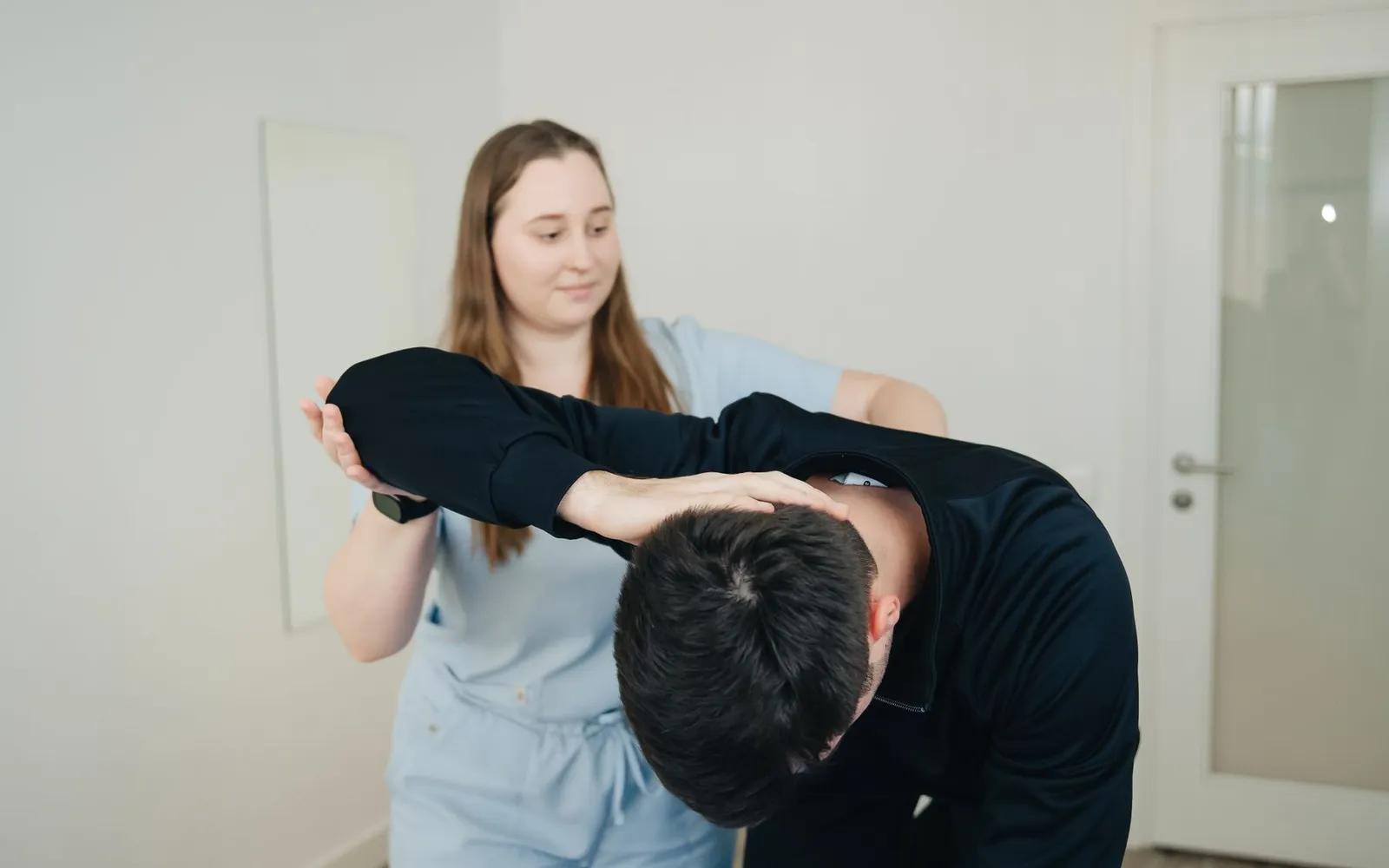
Not every back pain is a disc herniation, and not every herniation needs surgery. How to tell the symptoms apart and when to seek help.
11 Ağustos 2026 · 2 min read

Omurga Sağlığı
Every 2.5 cm your head moves forward roughly doubles the load your neck muscles carry. The real cause of neck pain in office workers — and what helps.
8 Ağustos 2026 · 2 min read
Ağrı ve Yaşam Kalitesi
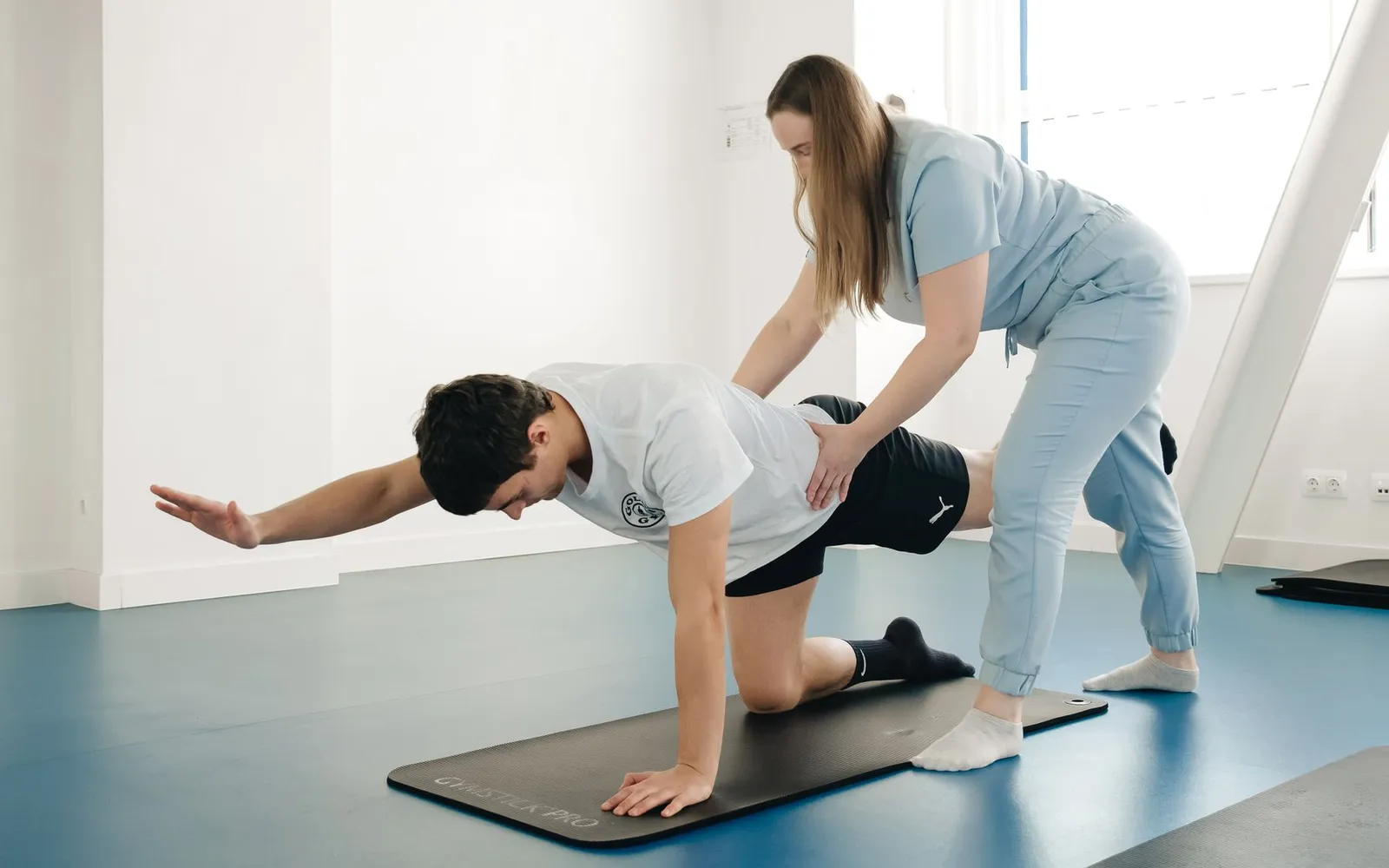
This is the question we are asked most. The short answer: at the right dose it reduces pain rather than increasing it. The long answer lies in how that dose is set.
5 Ağustos 2026 · 2 min read