Does Exercise Make Fibromyalgia Pain Worse?
Fzt. Aydın Ali · 5 Ağustos 2026 · 2 dk okuma
Fzt. Aydın Ali · 5 Ağustos 2026 · 2 dk okuma
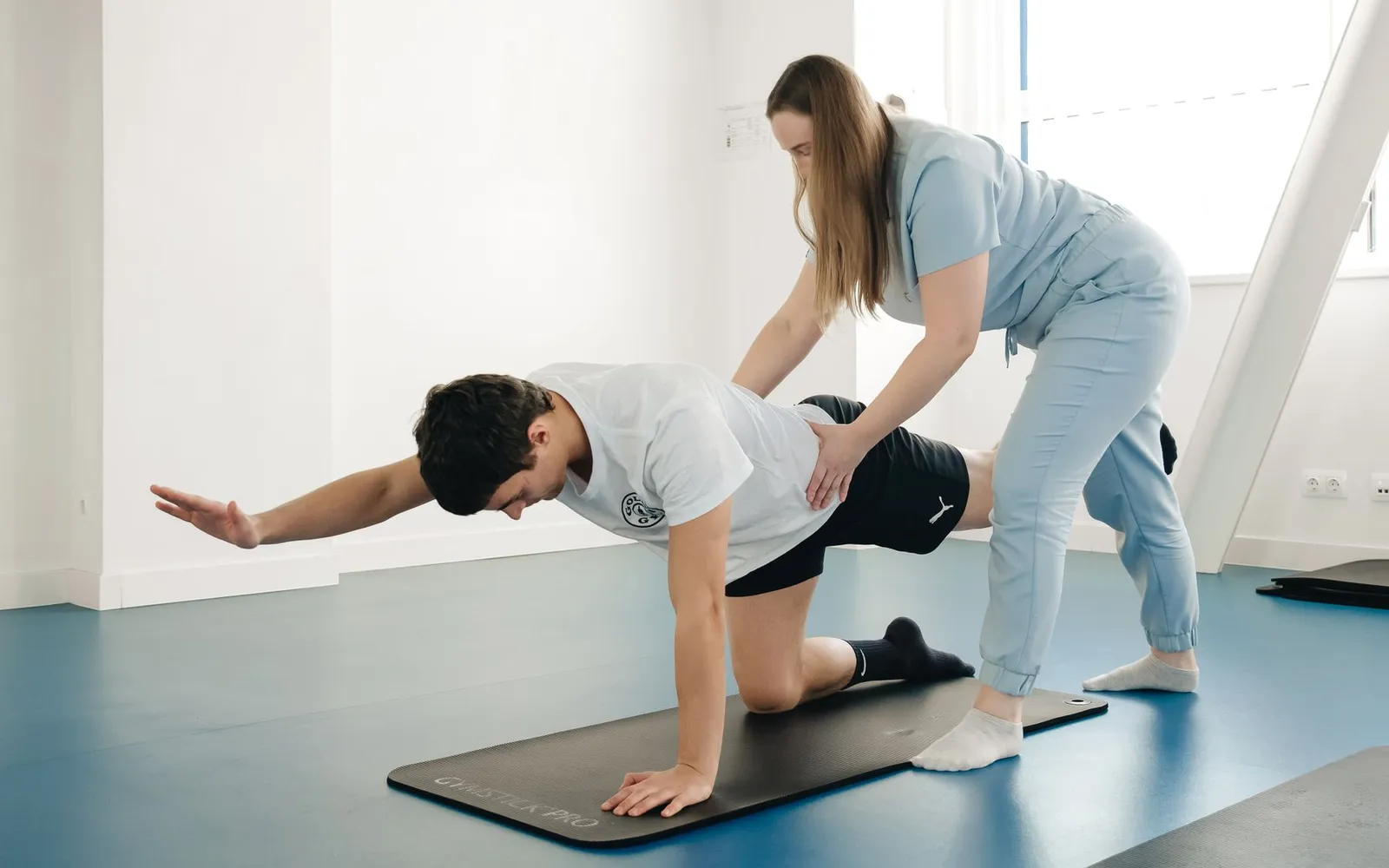
This is the question we are asked most. The short answer: at the right dose it reduces pain rather than increasing it. The long answer lies in how that dose is set.
Most people diagnosed with fibromyalgia become wary of moving. That is a reasonable reaction: a walk or a session of housework in the past has been followed by days of increased pain. Yet exercise remains the approach international guidelines recommend with the strongest evidence in fibromyalgia. The contradiction lies entirely in the dose.
In fibromyalgia there is no progressive damage in muscles or joints. What has changed is the way the nervous system processes pain signals: stimuli that would not normally produce pain are perceived as painful. This is called central sensitisation.
The practical meaning is this: feeling pain does not mean that movement is harming your body. That single piece of knowledge is considered part of the treatment, because it reduces avoidance.
The most common pattern is this: on a good day everything that has piled up gets done, and the next two days are spent in bed. That cycle narrows capacity over time.
The alternative is pacing: moving by a pre-set, measured amount regardless of how the day feels. On good days you do not do more; on bad days you do not stop entirely.
Improvement in fibromyalgia is measured in months rather than weeks, and it does not follow a straight line. Fluctuation is a normal part of the process; the programme continues according to the plan, not according to the fluctuation.
Fibromyalgia needs a multi-component approach: medical follow-up, medication where needed, sleep routine and exercise all run together. Fzt. Aydın Ali takes on the exercise and pain education part of that; decisions about medication and medical treatment belong to your doctor.
If you have been living with widespread pain and fatigue for a long time, you can come for an assessment and a programme that widens your capacity safely.
Omurga Sağlığı
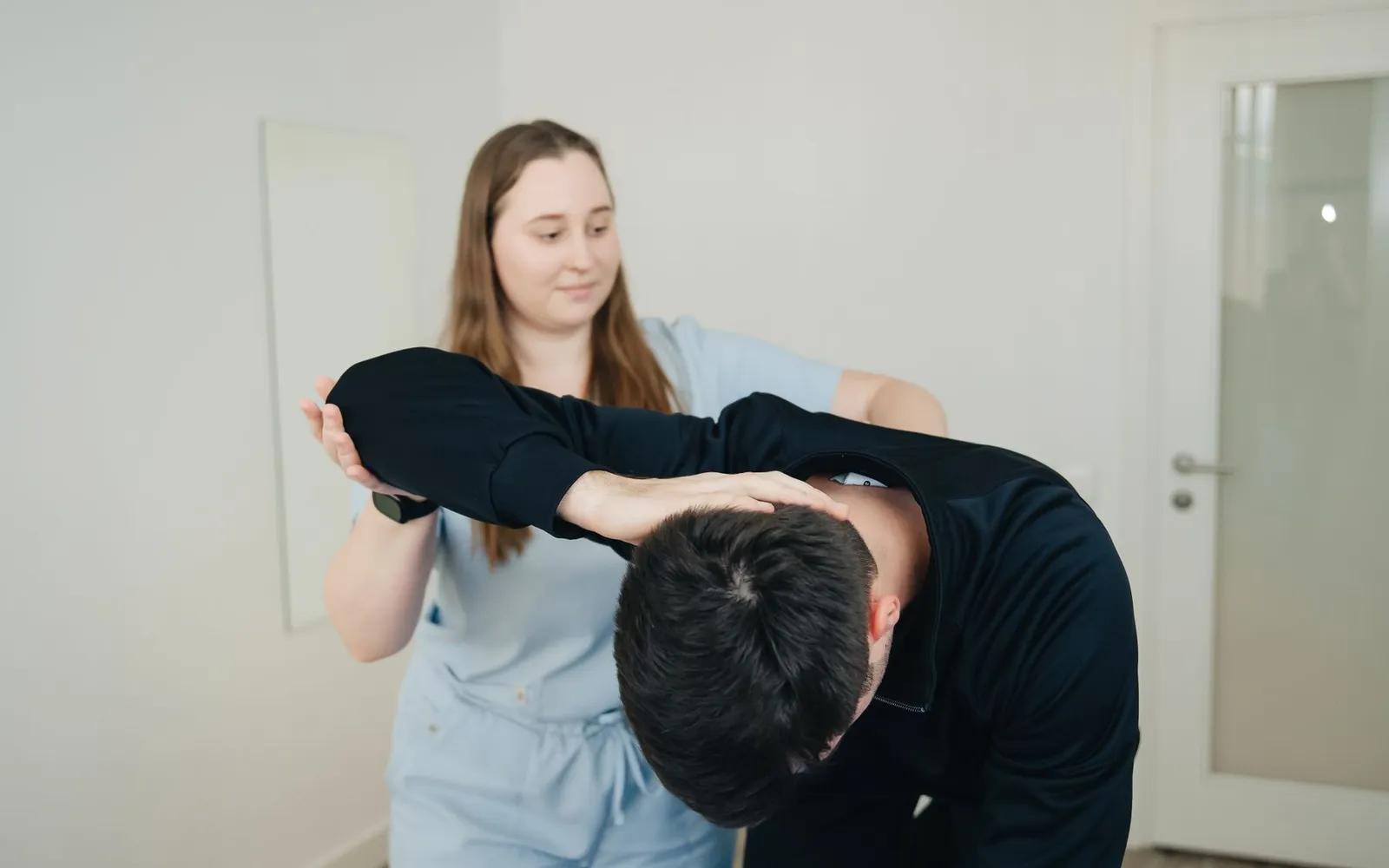
Not every back pain is a disc herniation, and not every herniation needs surgery. How to tell the symptoms apart and when to seek help.
11 Ağustos 2026 · 2 min read

Omurga Sağlığı
Every 2.5 cm your head moves forward roughly doubles the load your neck muscles carry. The real cause of neck pain in office workers — and what helps.
8 Ağustos 2026 · 2 min read
Ortopedi ve Rehabilitasyon
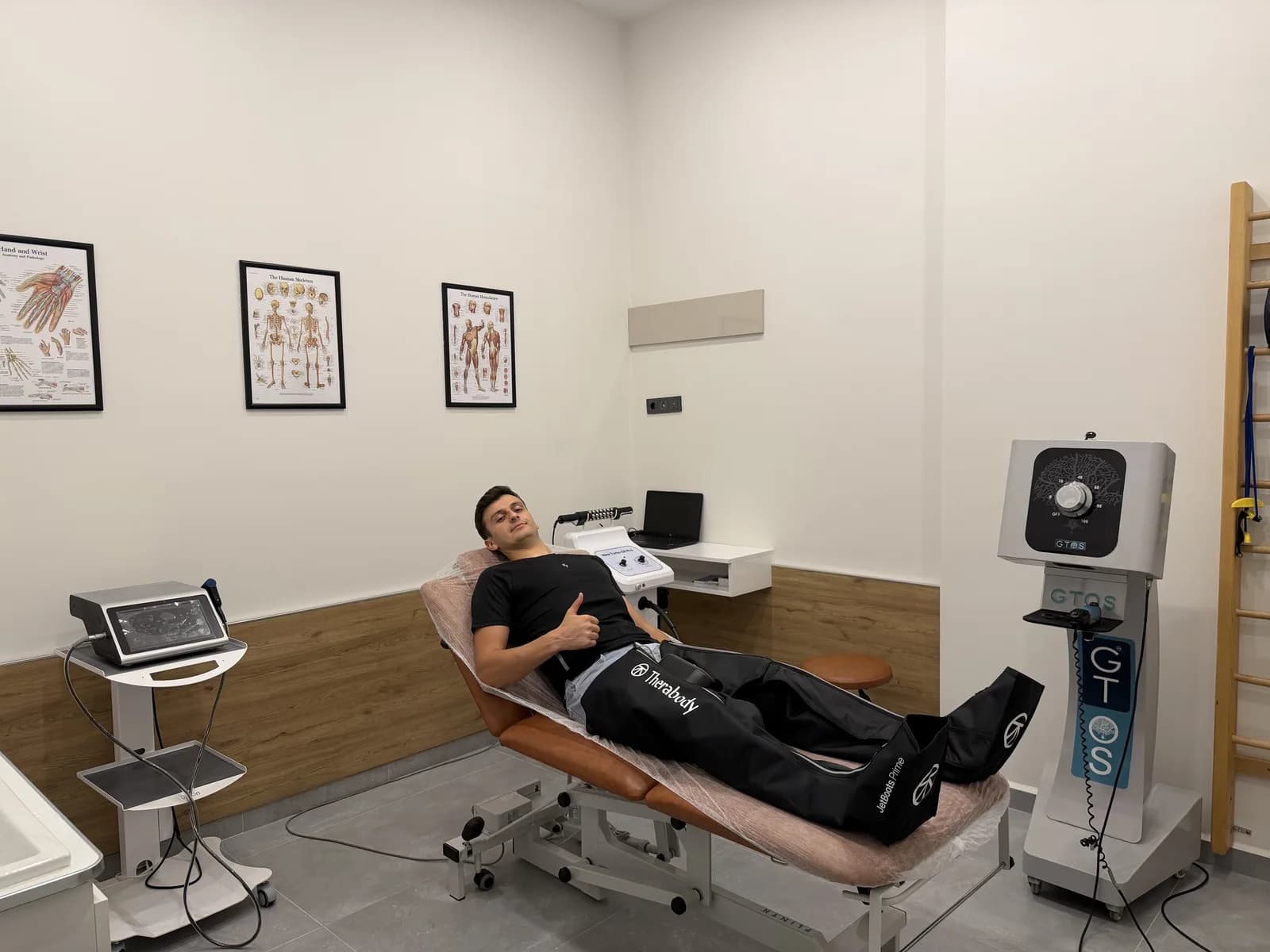
A successful operation is only half of a good outcome. The other half is decided by the rehabilitation done in the weeks that follow.
2 Ağustos 2026 · 2 min read